

The 2025 Wynn Concours hosted a huge number of beautiful cars. It would be remiss for me to not feature the spectacular cars from the host nation.
We’ll work in a roughly chronological order today. So we’ll start with the pre-war cars.
The 1920s saw massive economic growth across the United States and Western Europe. New industries like commercial aviation spawned new entrepreneurs who brought new money into the economy. Plus, in the States, the prohibition created good opportunities for gentleman who were happy to bend the rules a little.
I’ve been fortunate enough to cover a lot of beautiful European cars of this era but it’s my first time really getting to be around a good quantity of American cars.
So, I’m afraid this section will be a bit wordy. These cars are new to me so as I’m researching I’m digging up lots of cool history.
One manufacturer I hadn’t had the pleasure of exploring in person in Duesenberg.
The car pictured below is a 1929 Model J and it is incredible! The Model J featured a 6.9ltr dual overhead cam straight eight engine (DOHC wasn’t unheard of in the era but was very rare). In the early naturally aspirated form this engine made 265 horsepower and could propel this land yacht to between 116 and 120 mph (depending on body style).
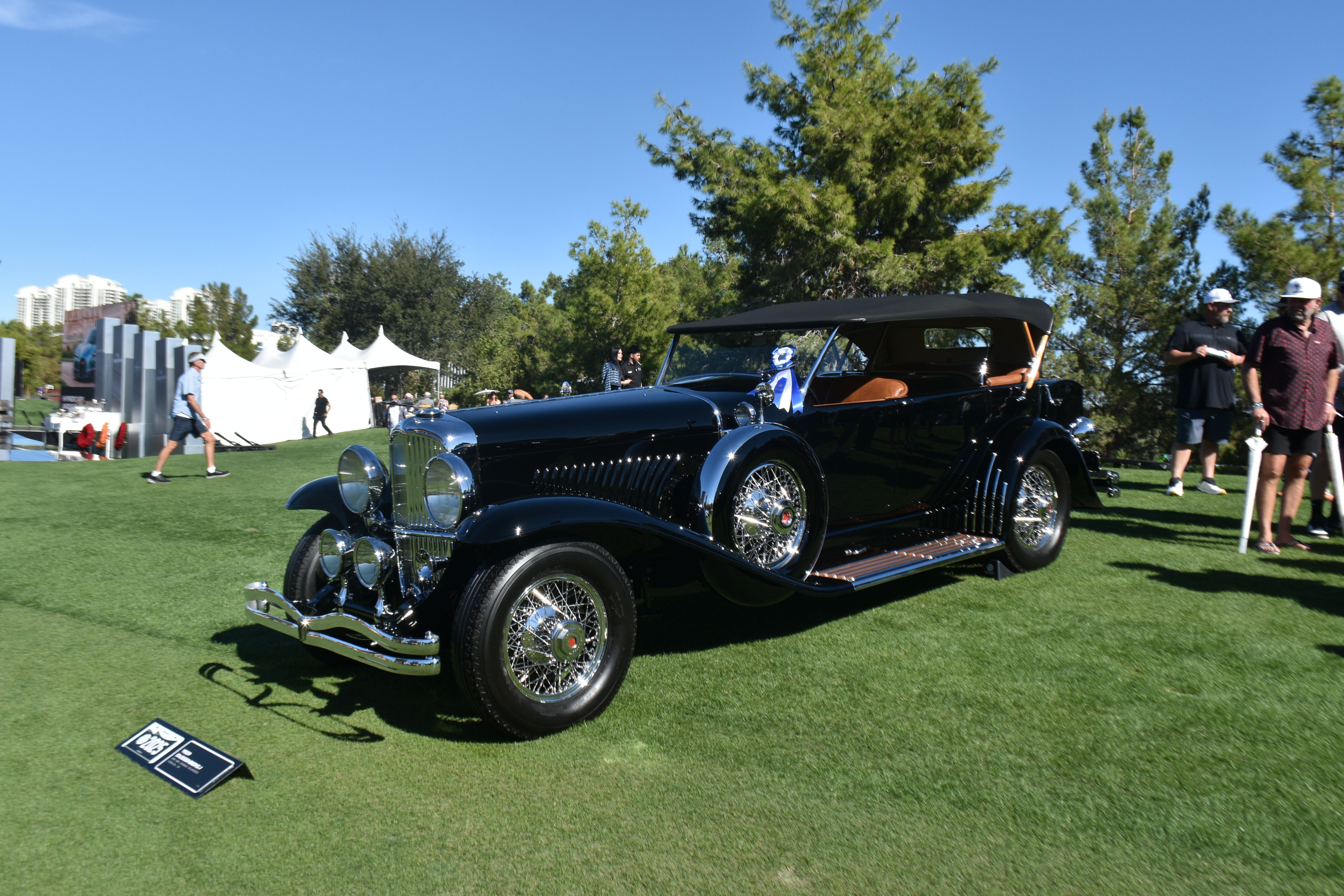
By September 1929, experienced investors could see that the economy that powered the roaring twenties was beginning to wobble and began to sell their stocks. This caused observers to begin to sell their stocks and eventually the market was flooded, causing an economic crash which triggered the great depression of the 1930s.
Despite the depression luxurious cars were still being made. This is a 1933 Model J with a Torpedo Victoria body by Rollston who were a New York based coachbuilder.
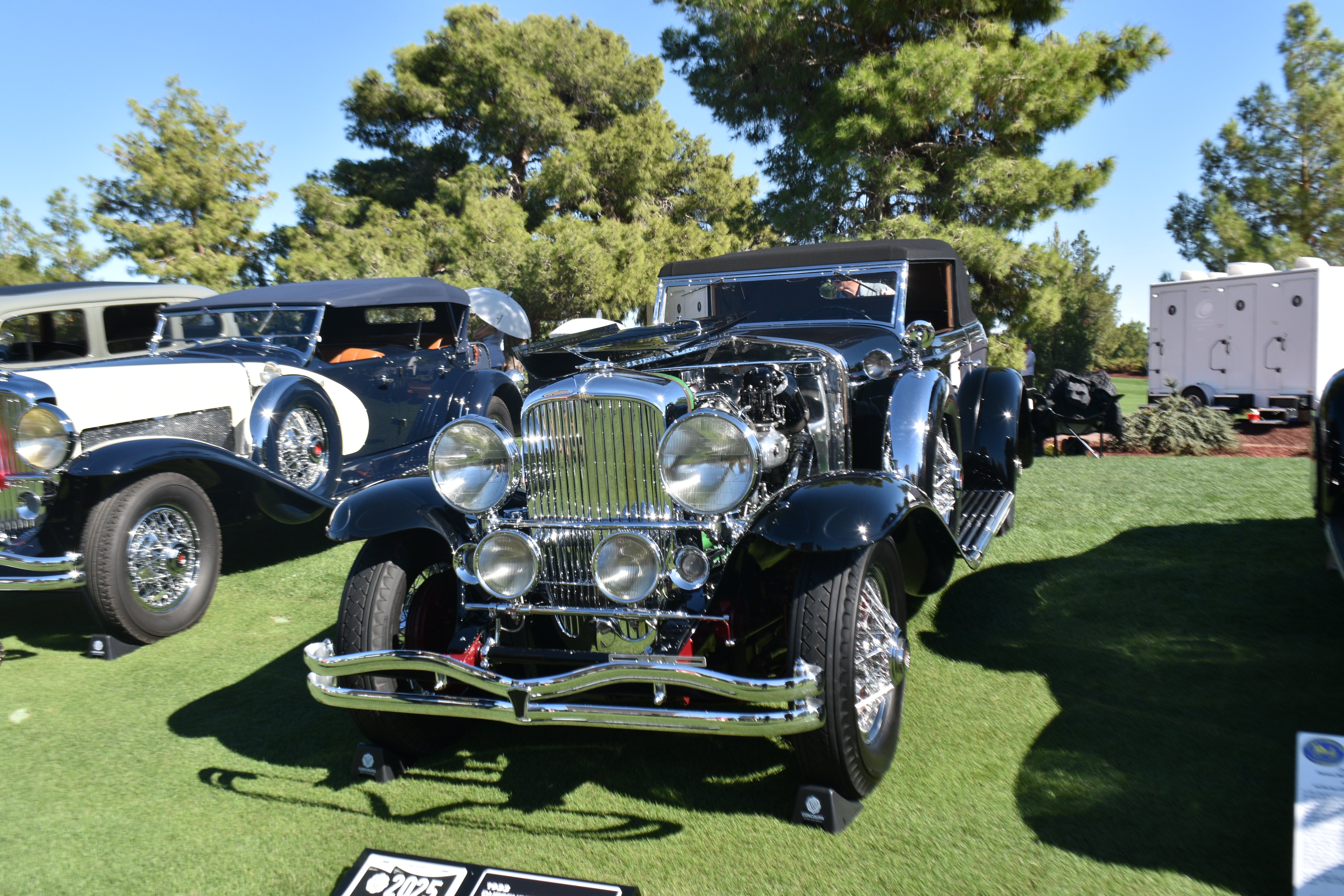
The SJ, which was the supercharged version of the J, came out in 1932. The supercharger increased power from 265 to 320 horsepower. Top speed was increased to 129-135mph.
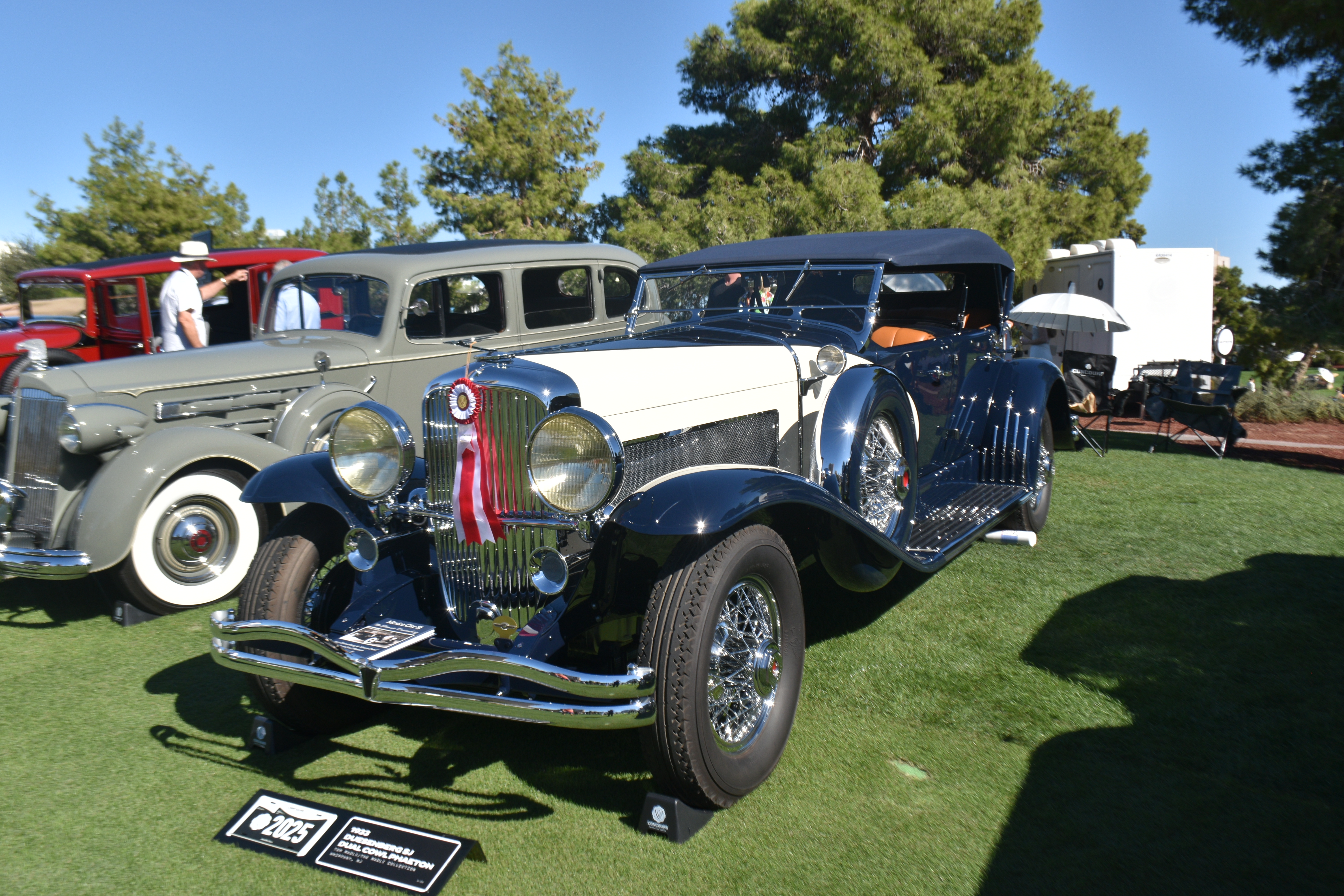
People often compare Duesenberg to Rolls Royce. I’d say the two cars represent the values of their respective countries in the late 1920s. The Duesenberg is very advanced, very bold and very glamourous. It’s the embodiment of new money in the United States. Whereas the Rolls-Royces of the late 1920s were very conservative and stately. The power of the Phantom of the time was described simply as “sufficient” rather than given a numerical value. One was driven to ones country abode in a Rolls Royce and did not concern one’s self with such ghastly details as power, whereas Duesenberg seemed (rightly) proud of the super-high end car they’d produced.
Packard produced Rolls-Royce Merlin aero-engines under licence during the Second World War.
They were one of the “Three P’s” along with Peerless and Peirce-Arrow and were a luxury brand that held a lot of prestige.
Post war Packard had a pretty rough time. They bought out the struggling but larger brand Studebaker. Packard were hoping to utilize Studebaker’s larger dealership network and Studebaker, well they just needed the cash.
The plan was for the new Studebaker-Packard Corporation to merge with Nash-Kelvinator and Hudson to form AMC. The passing of the Nash-Kelvinator CEO George Mason, meant that the deal couldn’t be finalised and eventually fizzled out.
This was really bad news for Packard. Studebaker hadn’t been completely forthcoming with their economic situation and became quite a big drain on Packard. Quality control issues also plagued the postwar company and they were bought out by Curtiss-Wright in 1956 who scrapped the Packard brand in 1958.
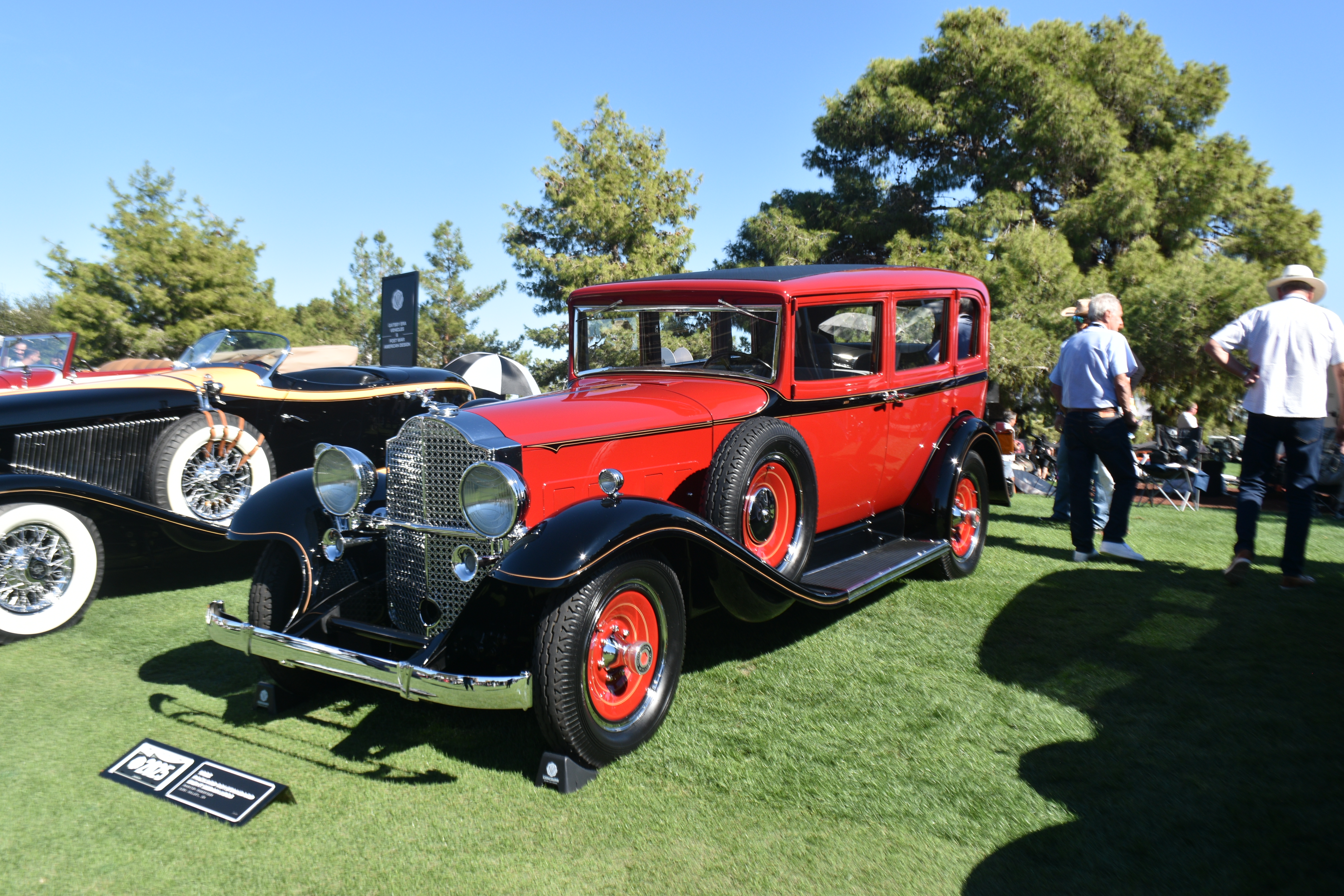
This is a 1932 Packard 901 Standard Eight Sedan.
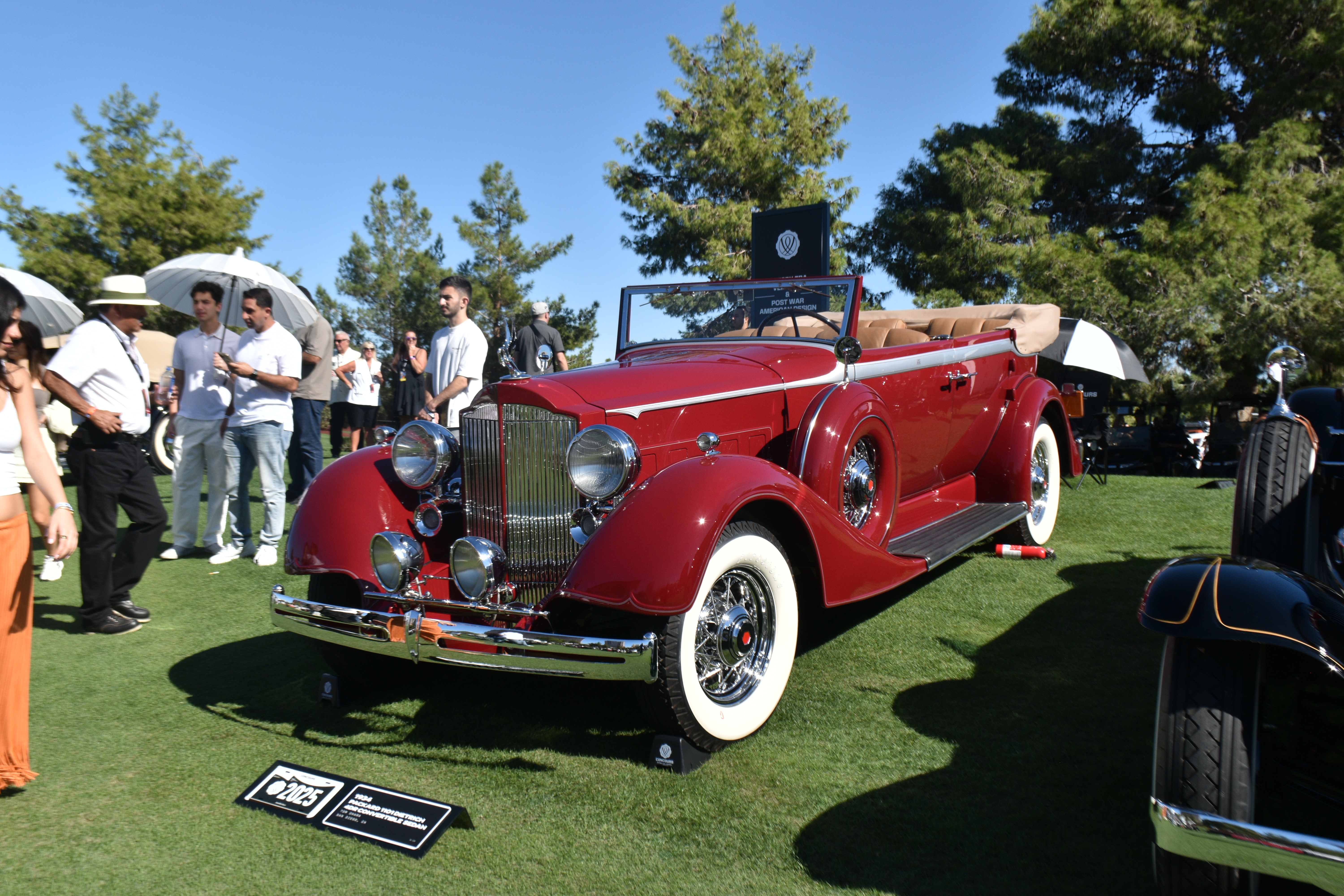
A 1934 Packard 1101 four door convertible. This car was originally built for Gabriel Terra, who held a short term dictatorship over Uruguay in the 1930s.
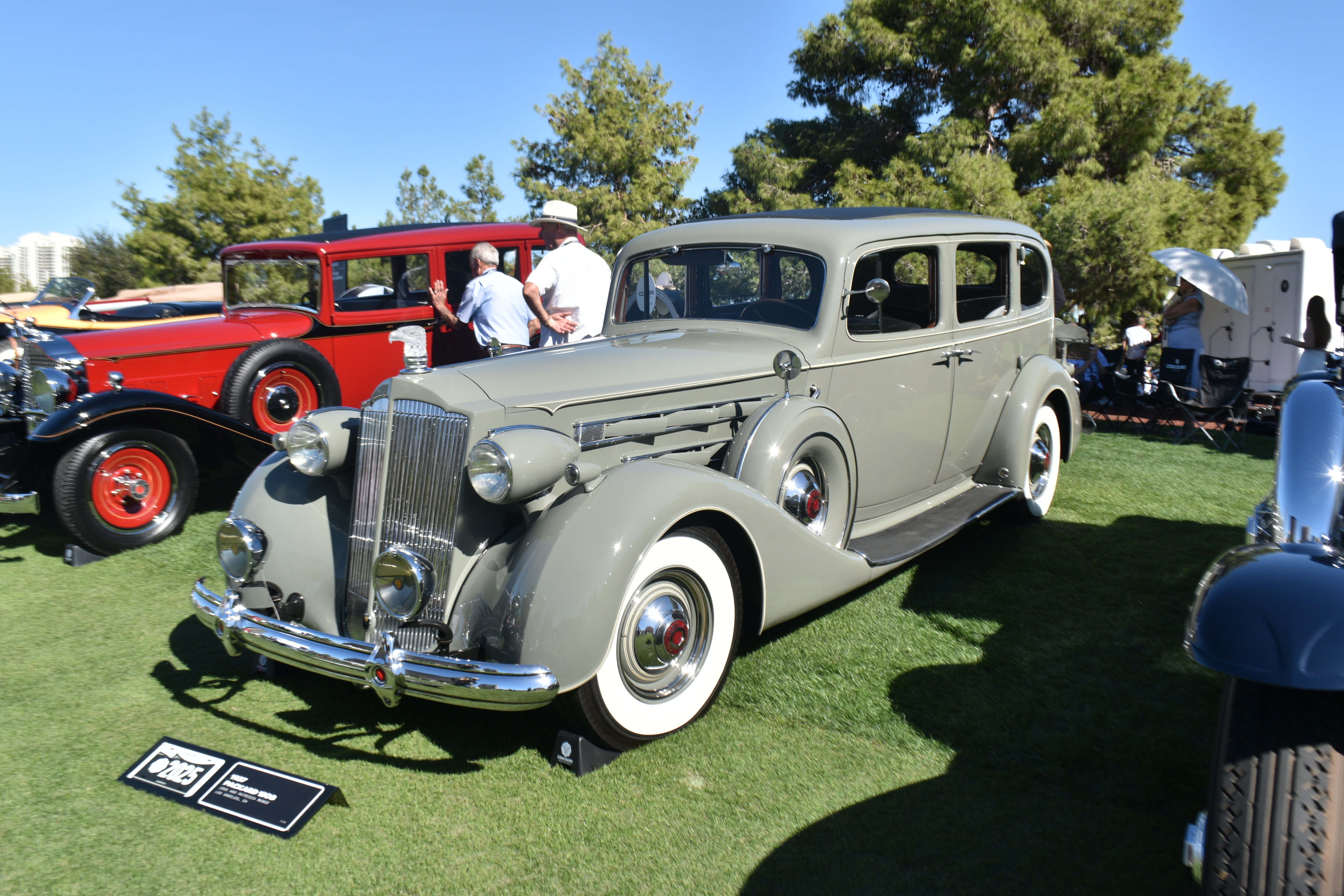
A 1937 V12 powered 1508. This car was shown at the 1937 Milan Auto Show.
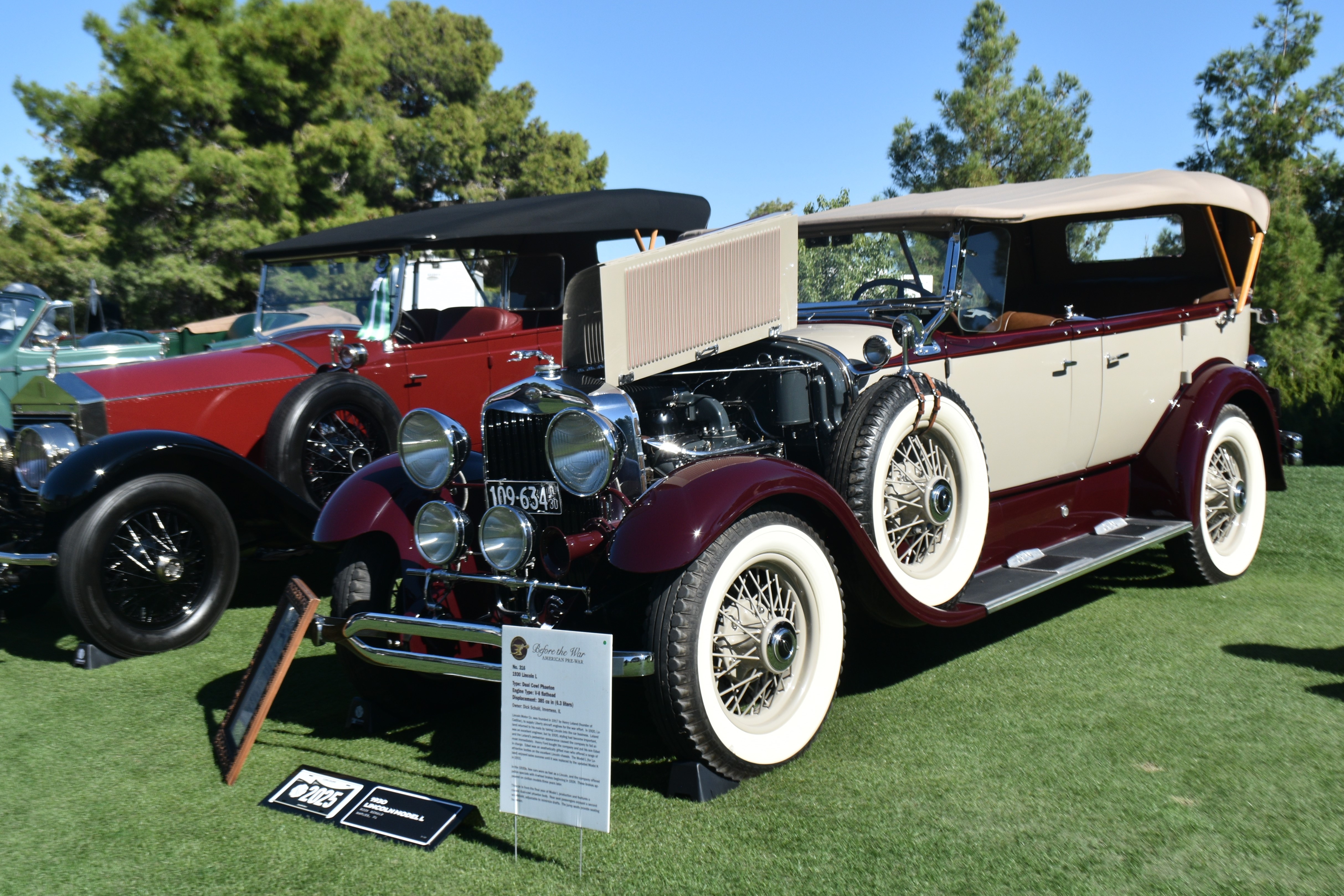
I didn’t know that Lincoln only existed as a private entity between 1917 and 1922. The company originally assembled Liberty aeroplane engines during the First World War and then transitioned to cars. It struggled and was swallowed by Ford in 1922.
To this day Lincoln acts as a luxury brand of Ford Motor Company.
This is a 1930 Model L.
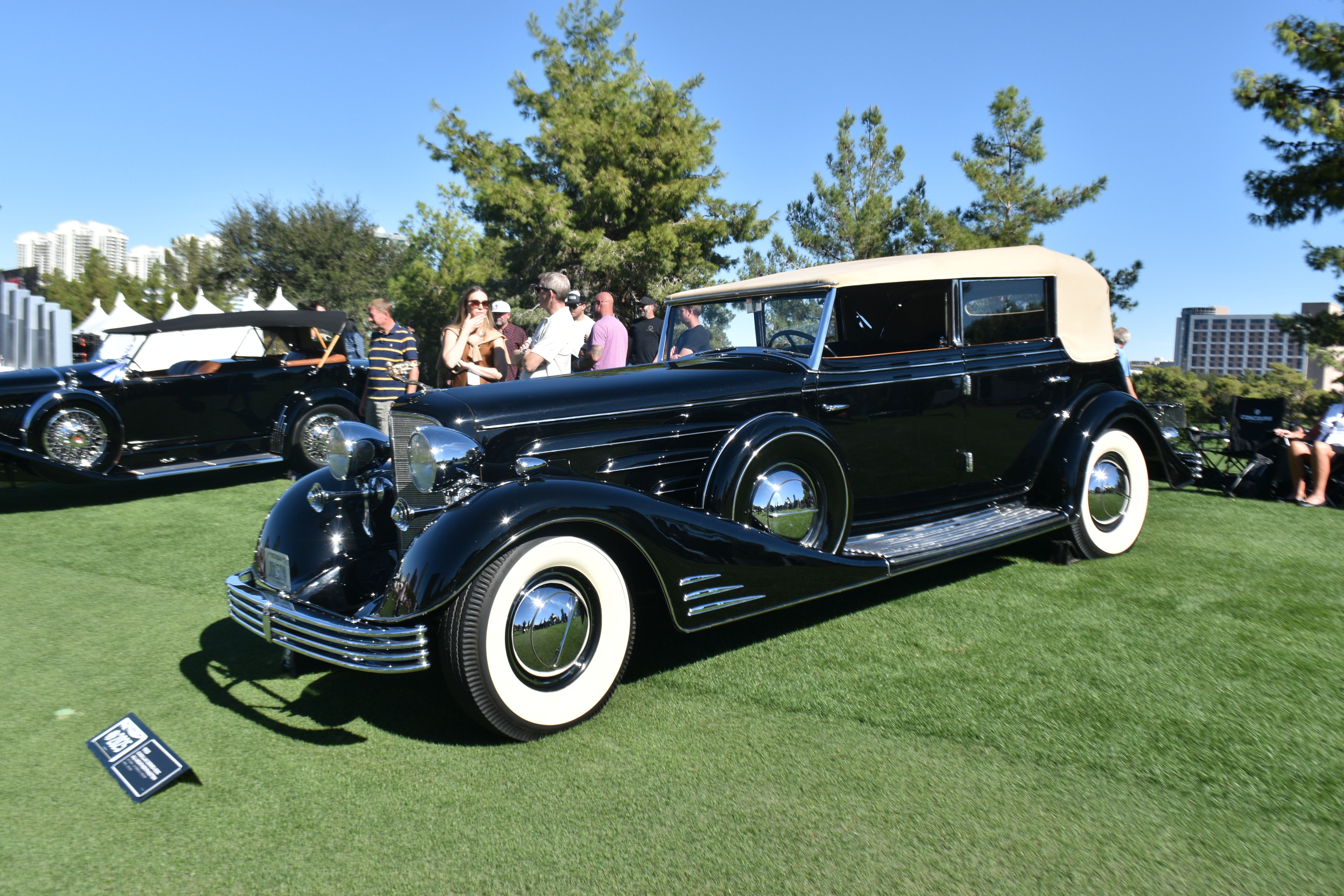
Cadillac are still a prominent luxury car brand. Their art deco era designs were fantastic!
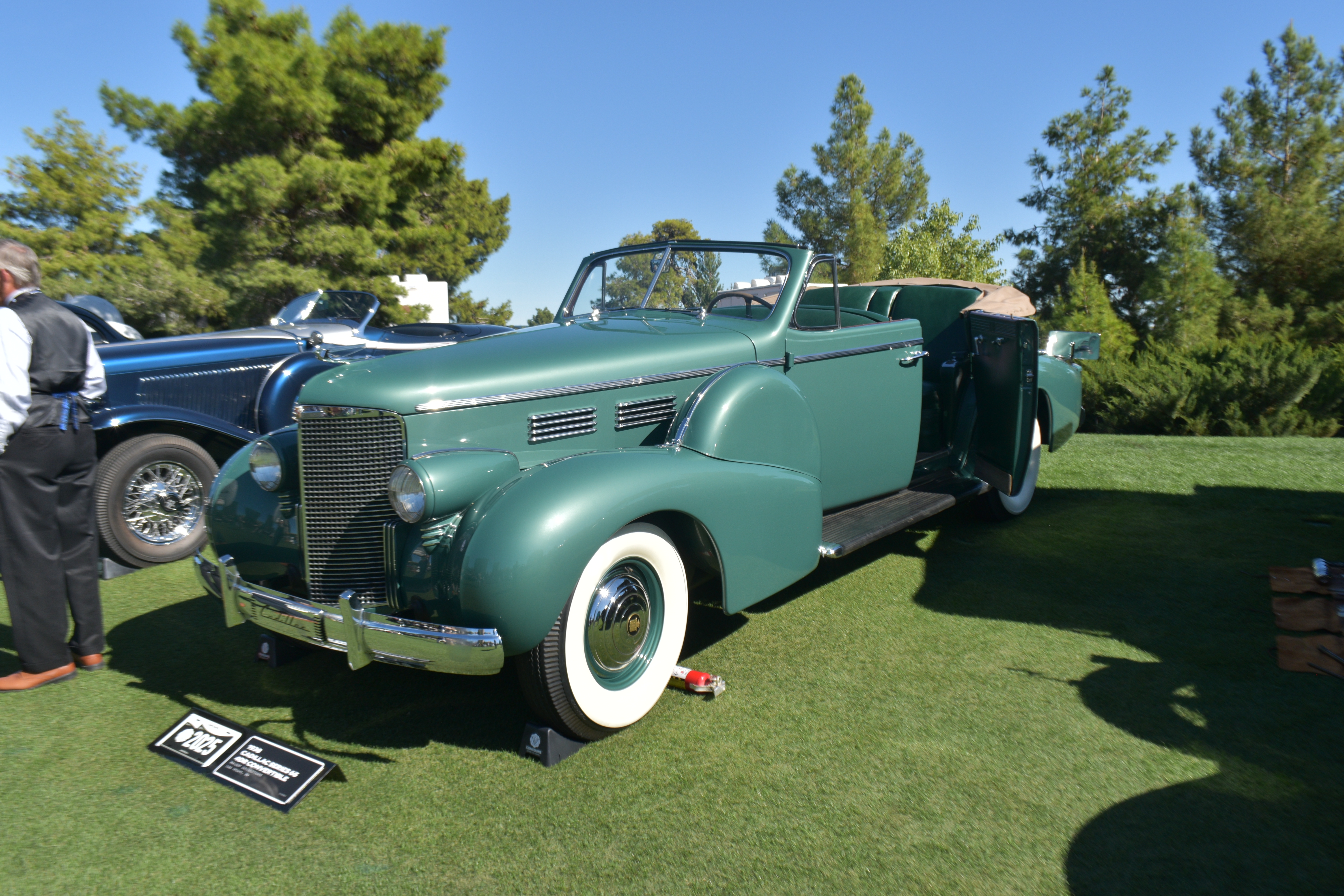
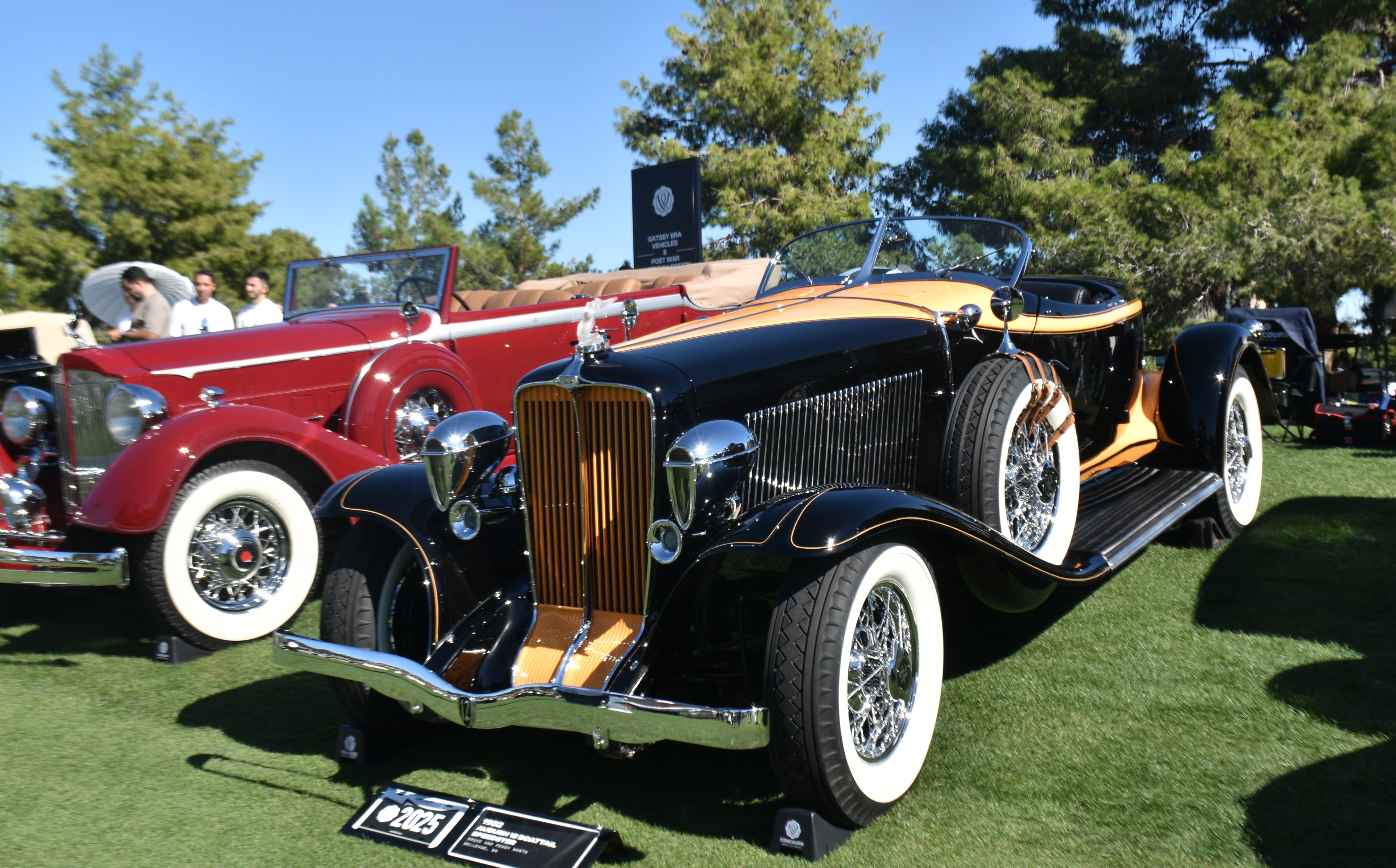
Auburn Automobile were another manufacturer noted for big, fast luxury cars. Sadly they didn’t survive the great depression and folded in 1937. They were incredibly beautiful cars!
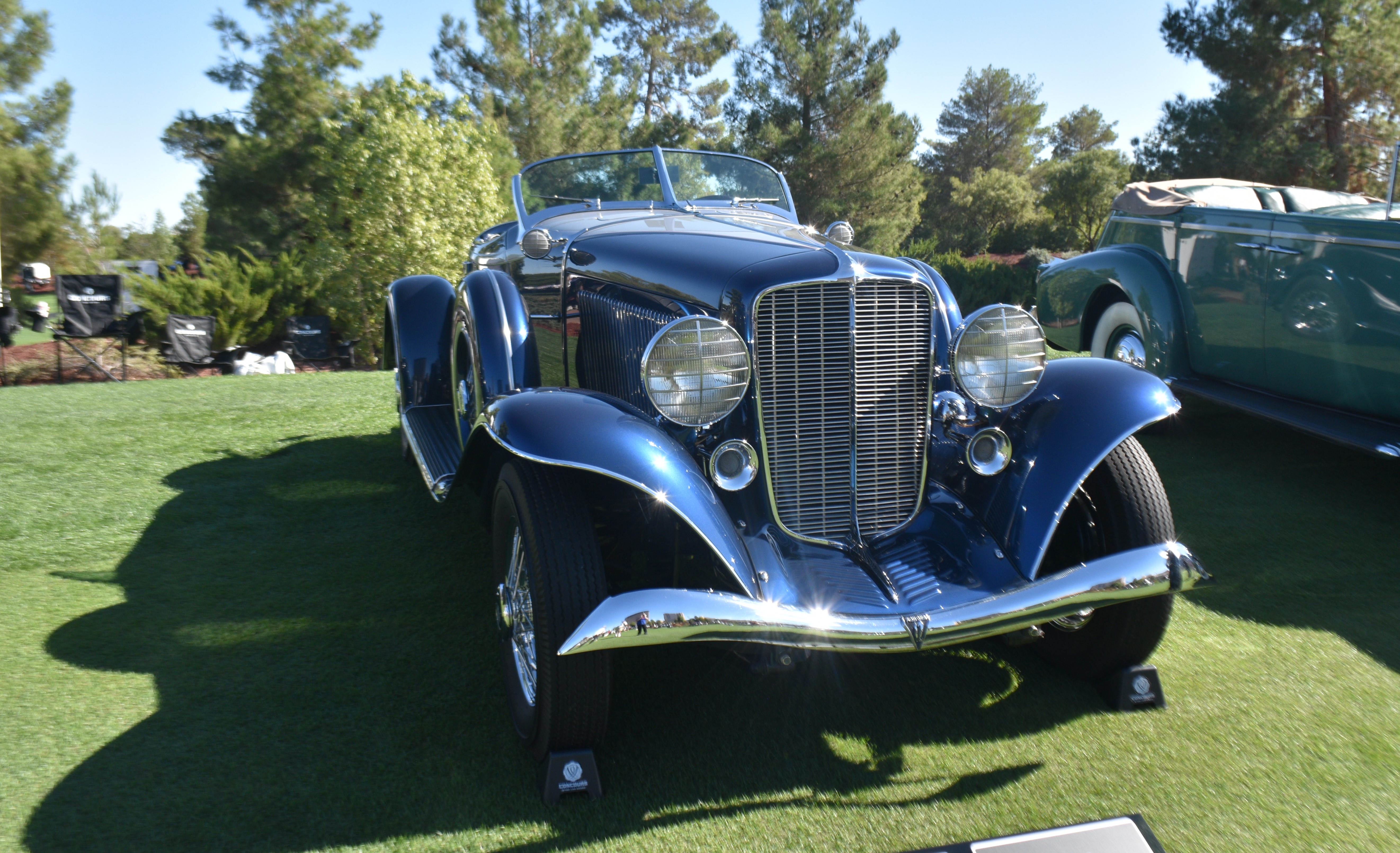
This boat tail Speedster has some very unusual features. I’ve been trying to find out more about it online but to no avail.
The outbreak of war pretty much halted the European auto industry from 1939 as factories were hastily converted to help with the war effort.
The U.S helped supply its European allies in the first couple of years of the war through the lend-lease program, but didn’t fully commit until after the bombing of Pearl Harbor in December 1941.
Life continued in the U.S and so people still purchased new cars. This is a 1939 Packard Business Coupe.

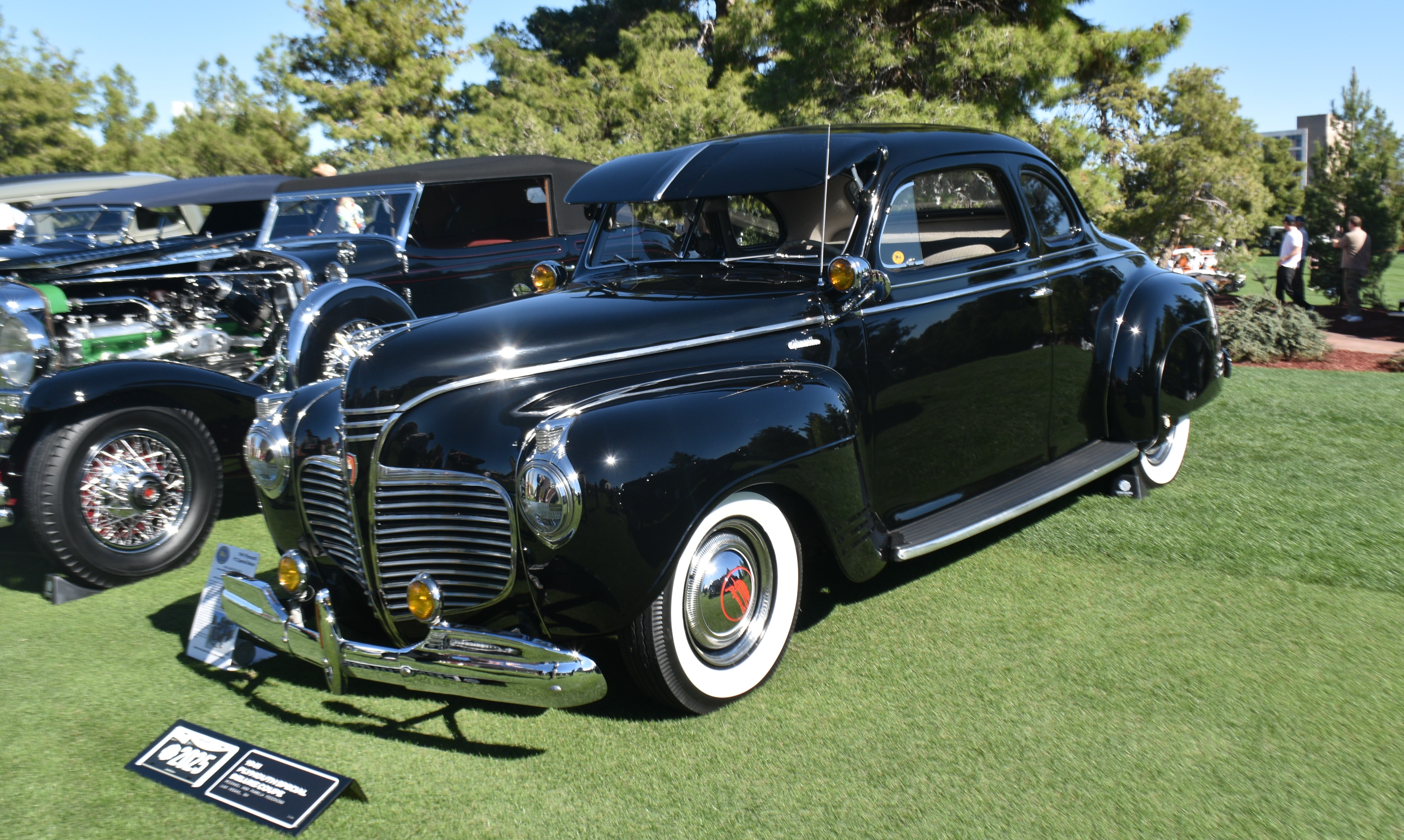
This is a 1941 Plymouth which I think is an exceptional looking automobile!
Post war, the late 1940s to the early 1960s are, in my opinion, the most interesting period of American history. You have a colossal economic boom surrounded by changing social dynamics with regards to Civil Rights, along with the red scare and competition with the USSR – highlighted by the space race.
American cars of that are really reflected the times. They were grand, chrome-clad land yachts with big fins and afterburner looking tail lights reminiscent of the new jet age and the developing space program. Engines got bigger and more powerful and the interiors were like riding around in a living room.
This 1955 Packard Caribbean with its beautiful colourway really personifies what I love about American cars of this era. It’s simply fantastic!
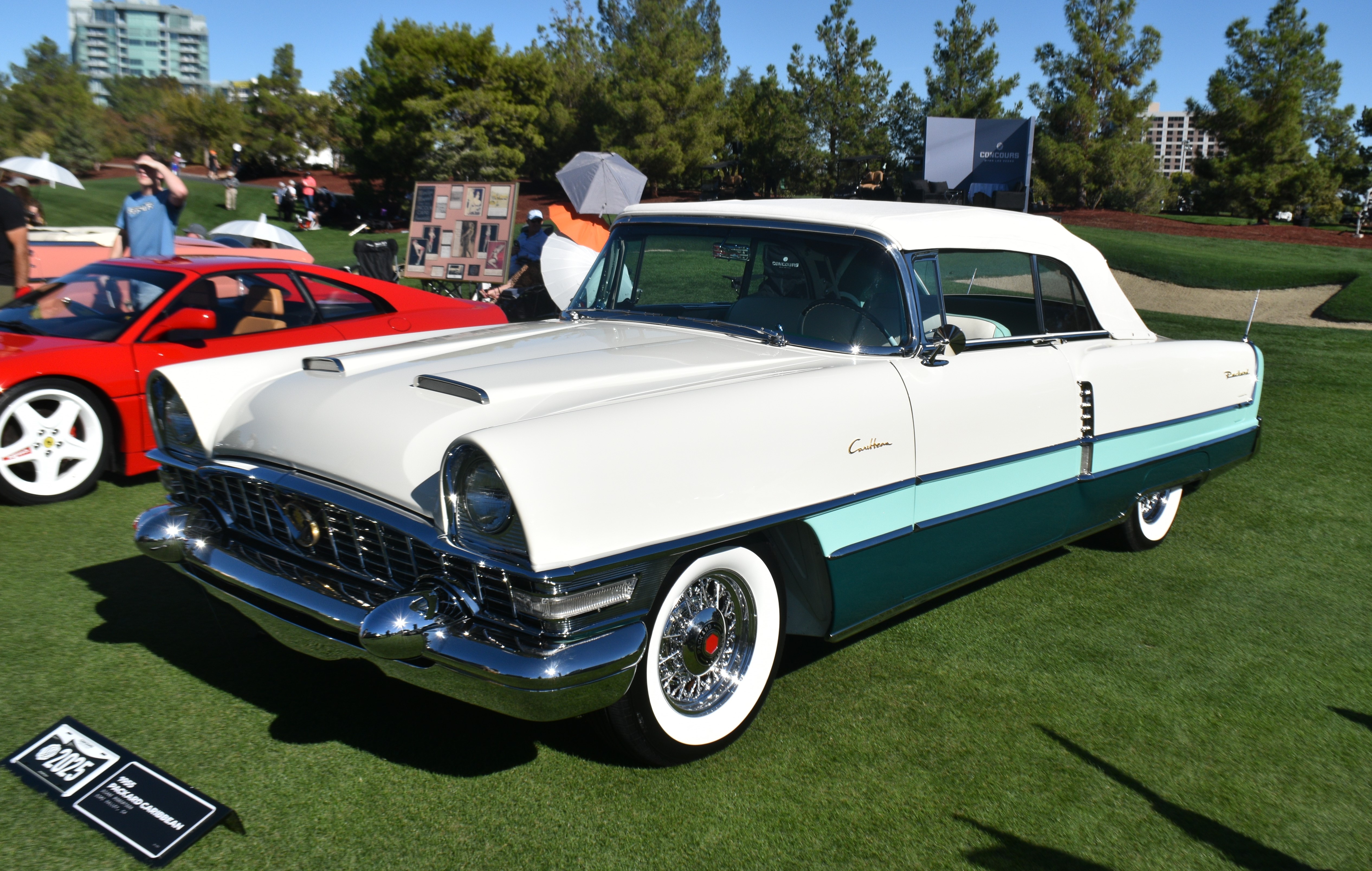
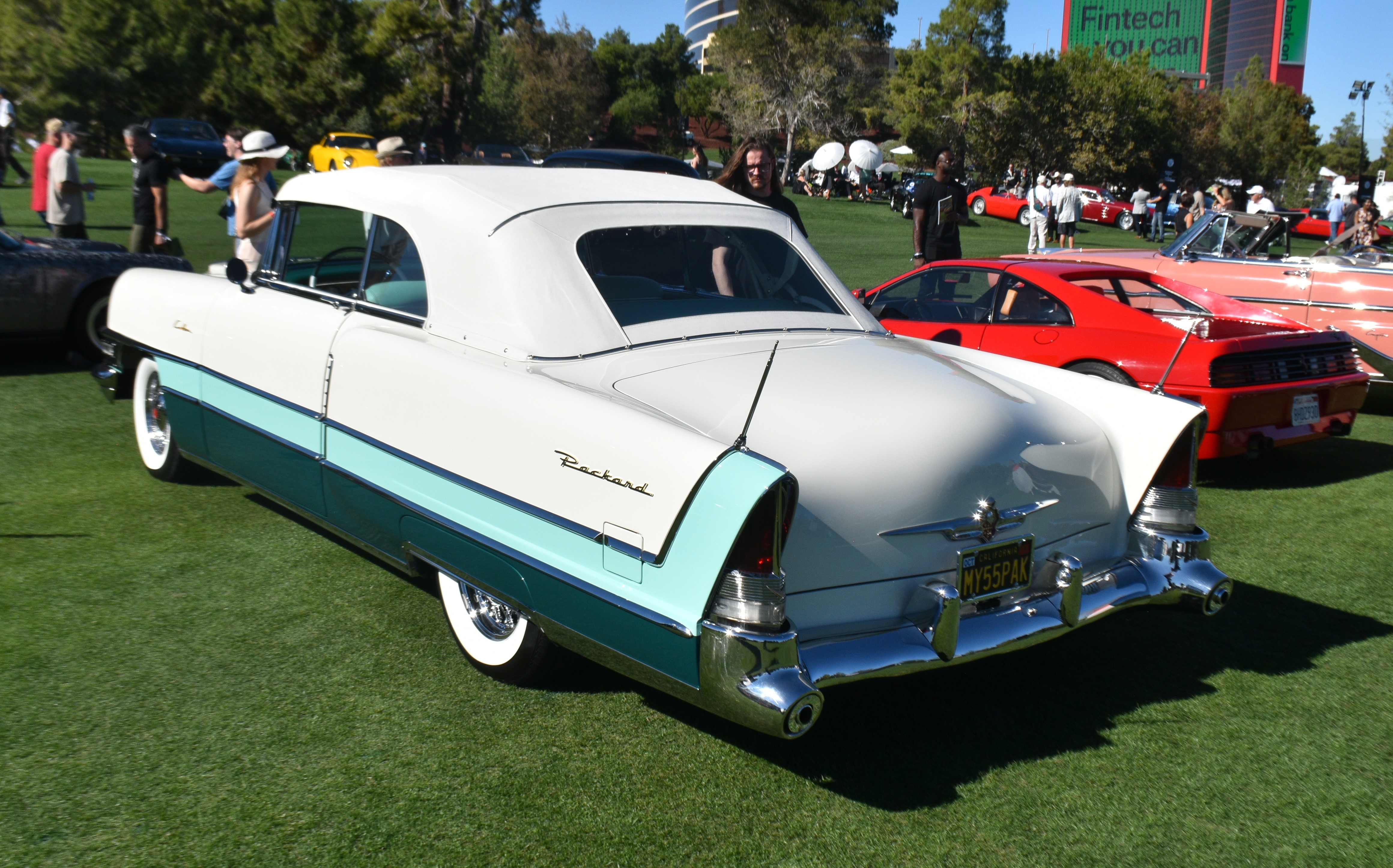
Look at the colours! I know I drive a gunmetal grey car GT86 so I can’t say too much, but lets bring colour back!
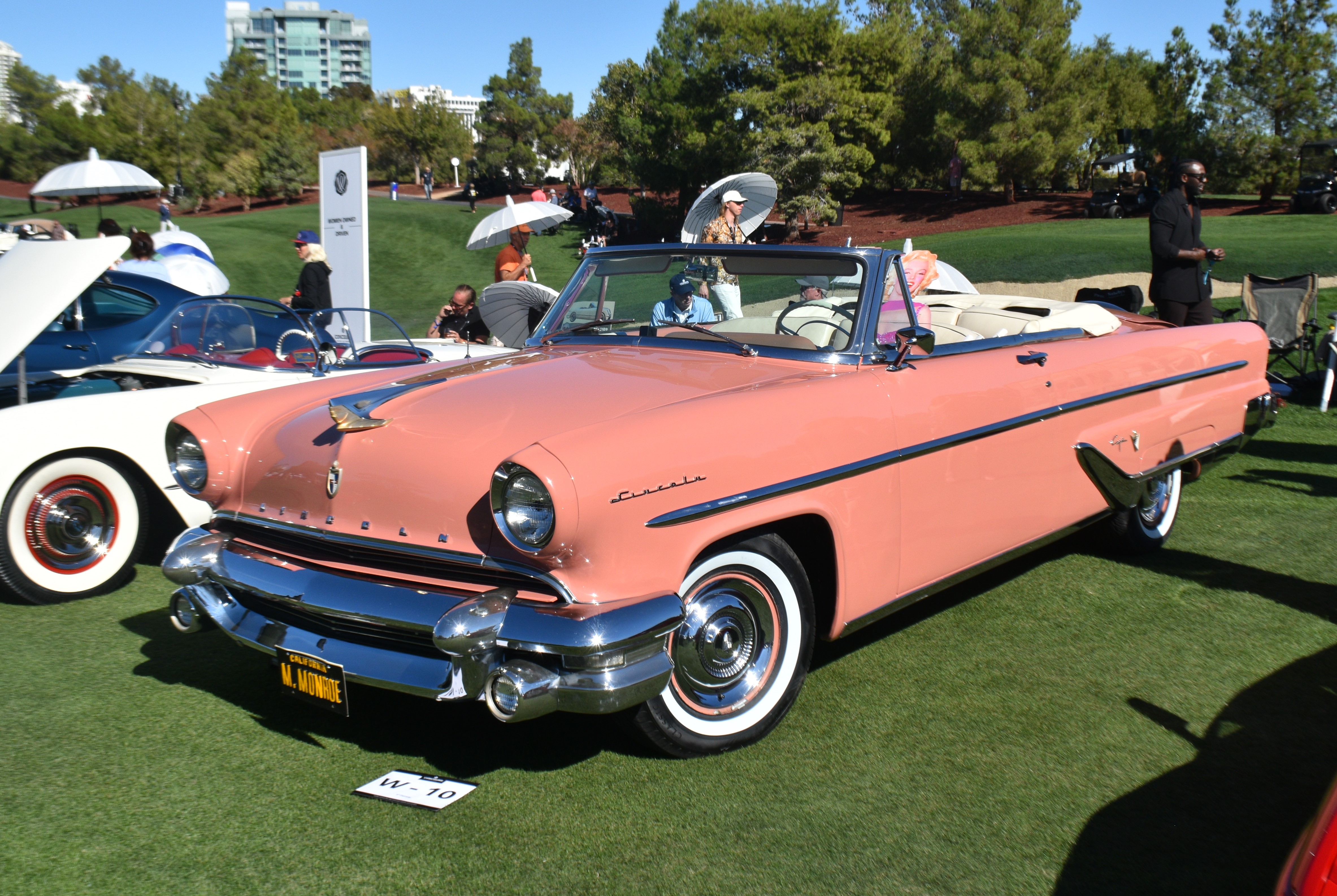
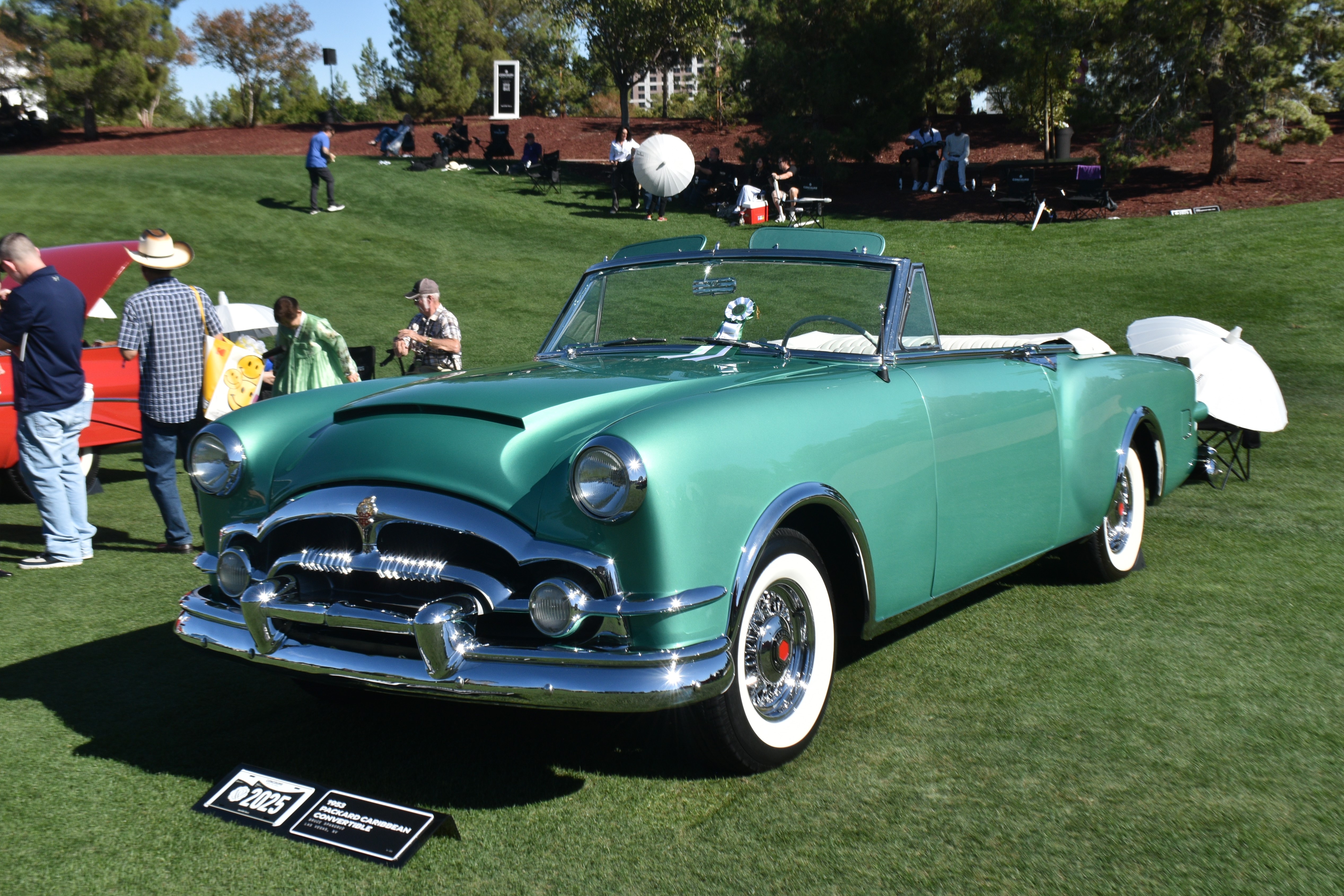
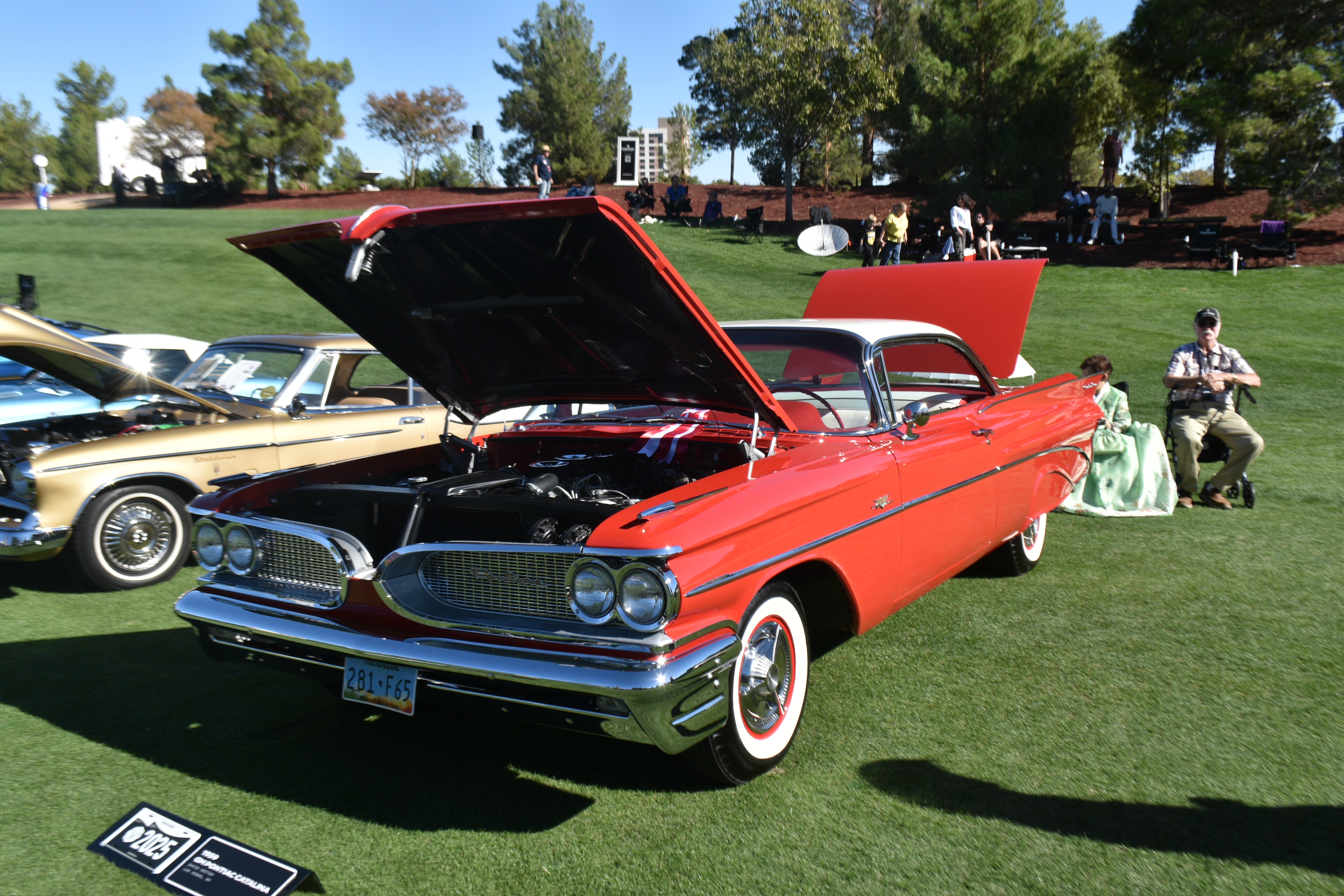
The Americans made a few sports cars in this era too. The Ford Thunderbird for instance:
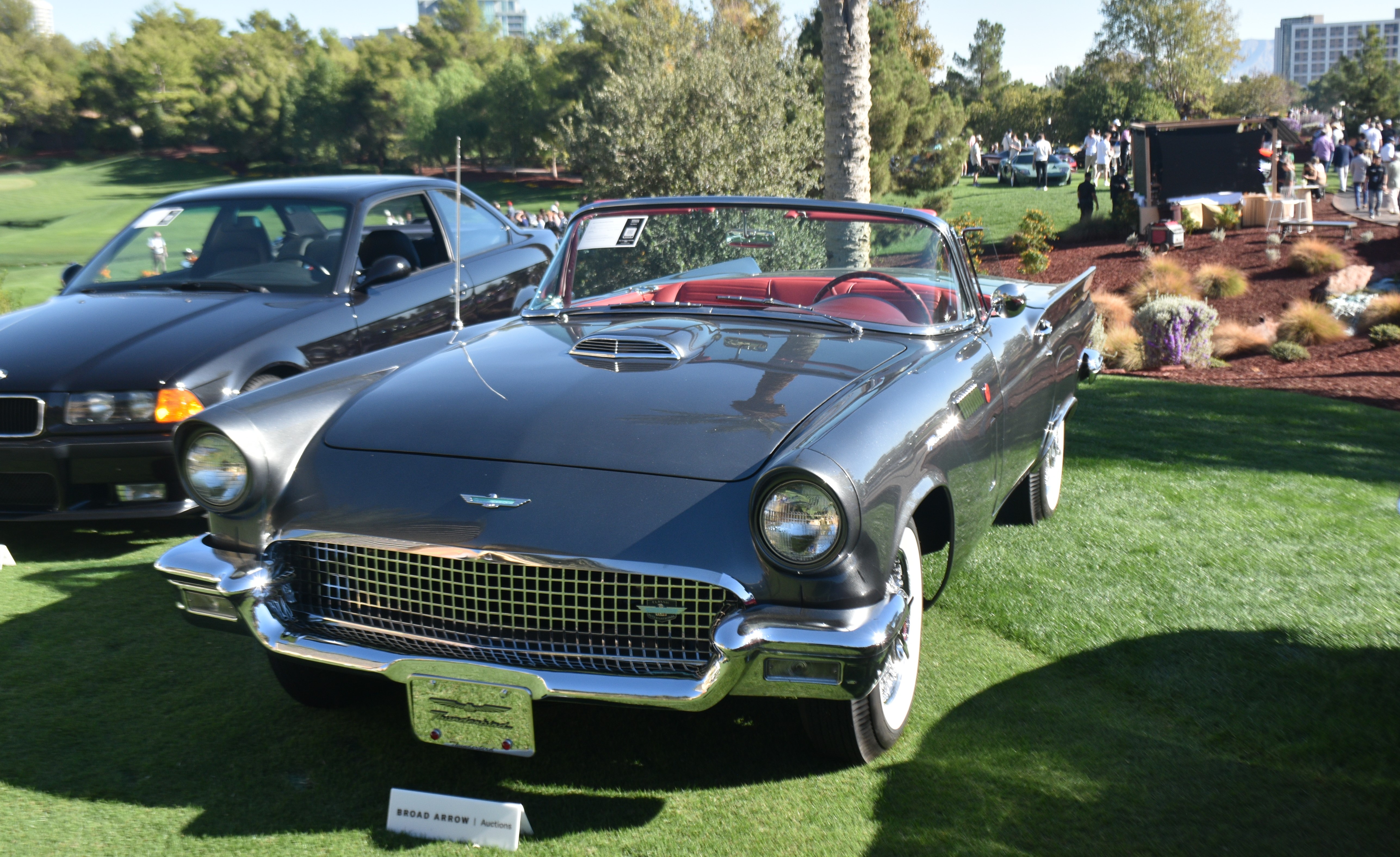
The Studebaker Golden Hawk. Someone built a slot car of one of these that I saw online a few months back. I hadn’t seen one in real life before this though.
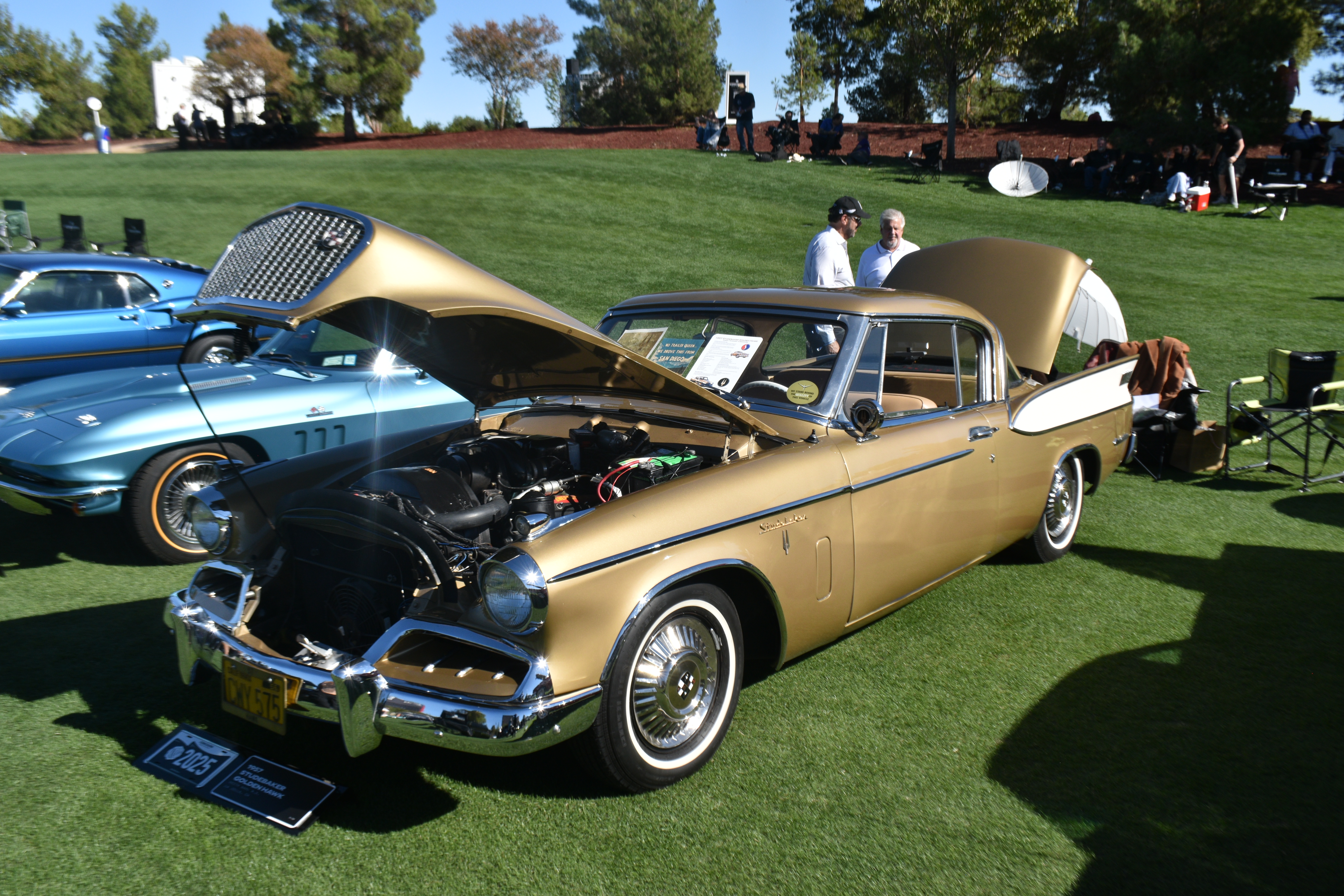
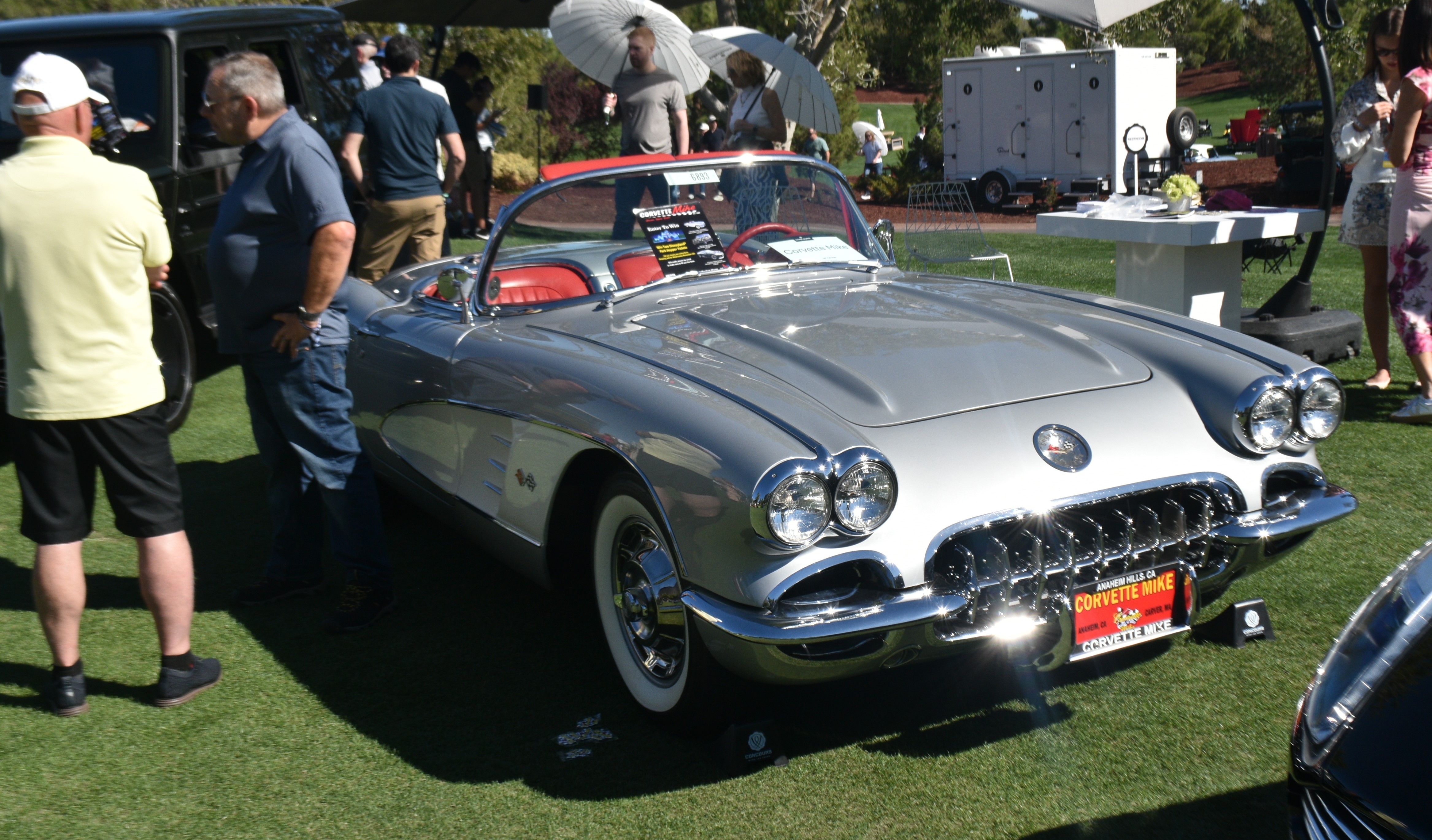
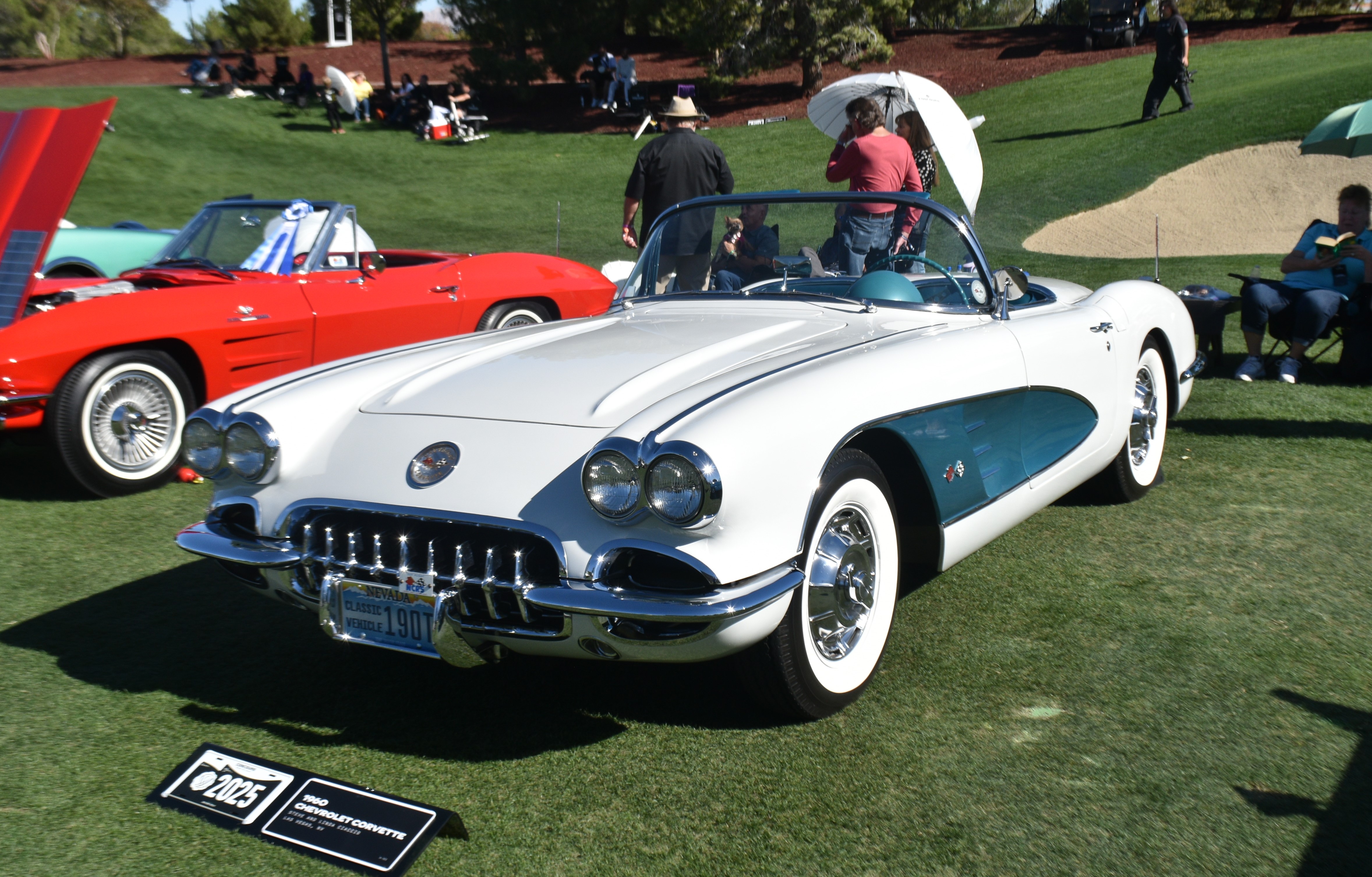
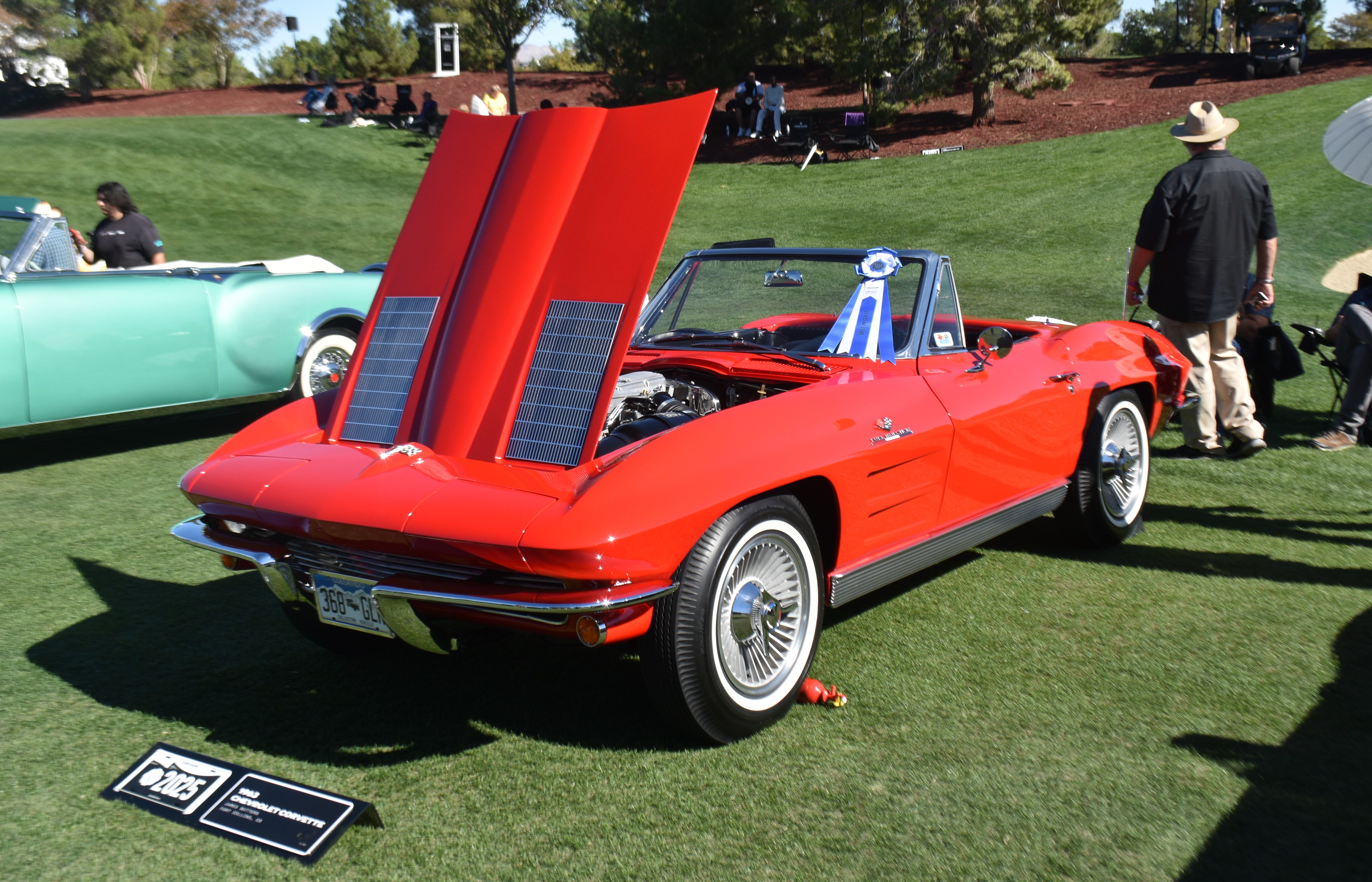
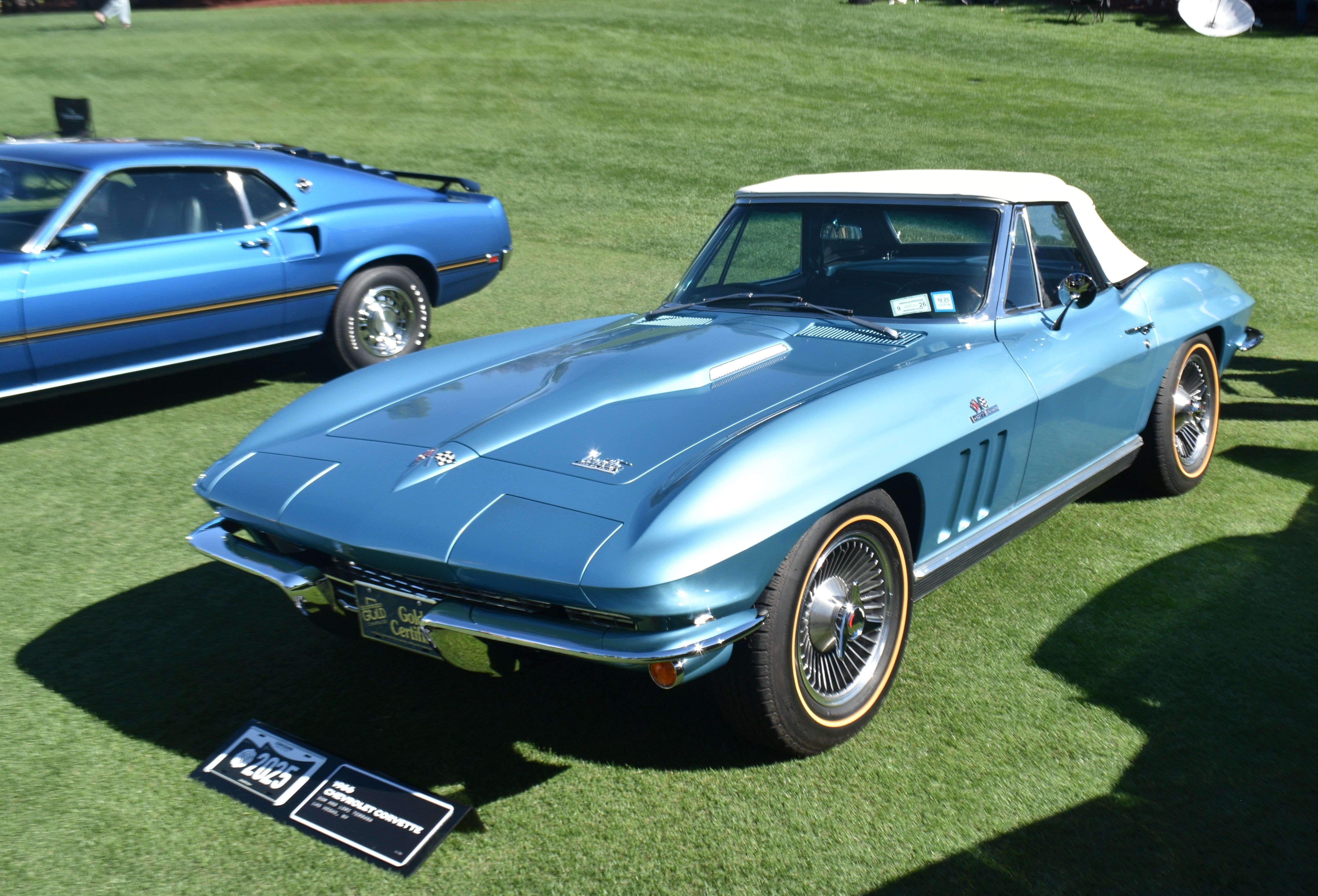
The C1 Corvette.
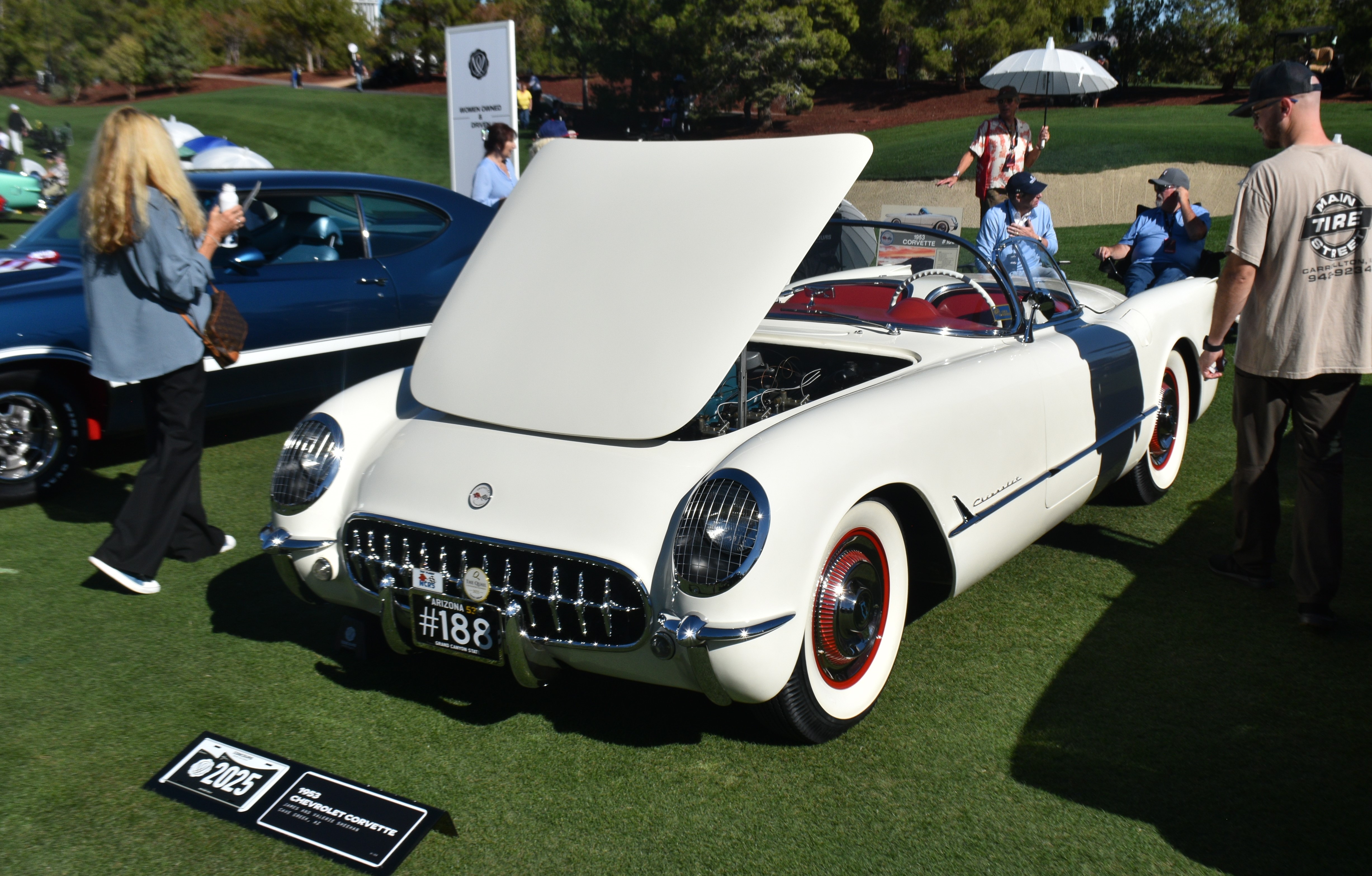
The Corvette was the domestically made sports car that really took hold of the American market.
For those looking for something a little more European but with American underpinnings, we have the Victress S4. A fibreglass kit car that looks remarkably like an Aston Martin of the period.
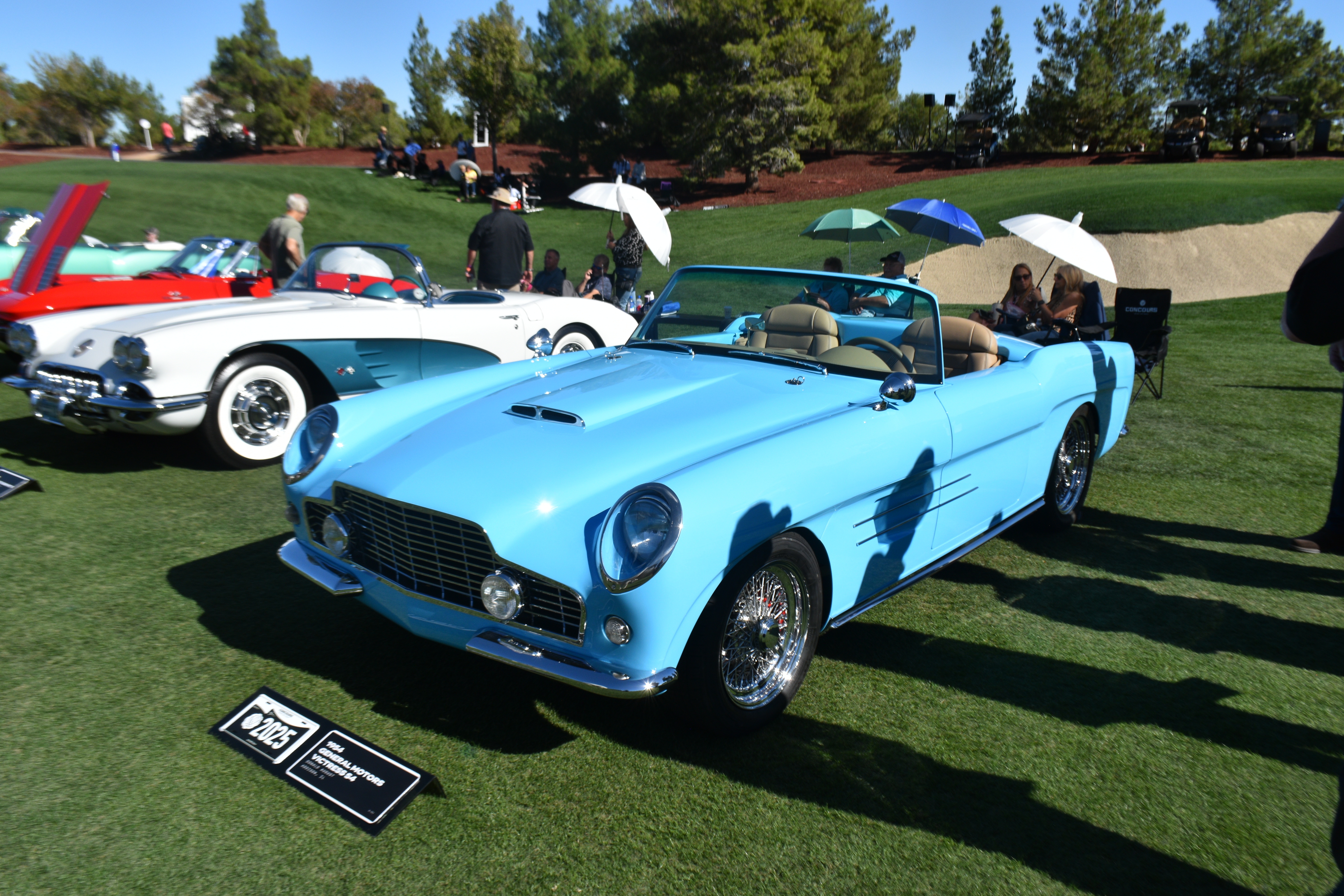
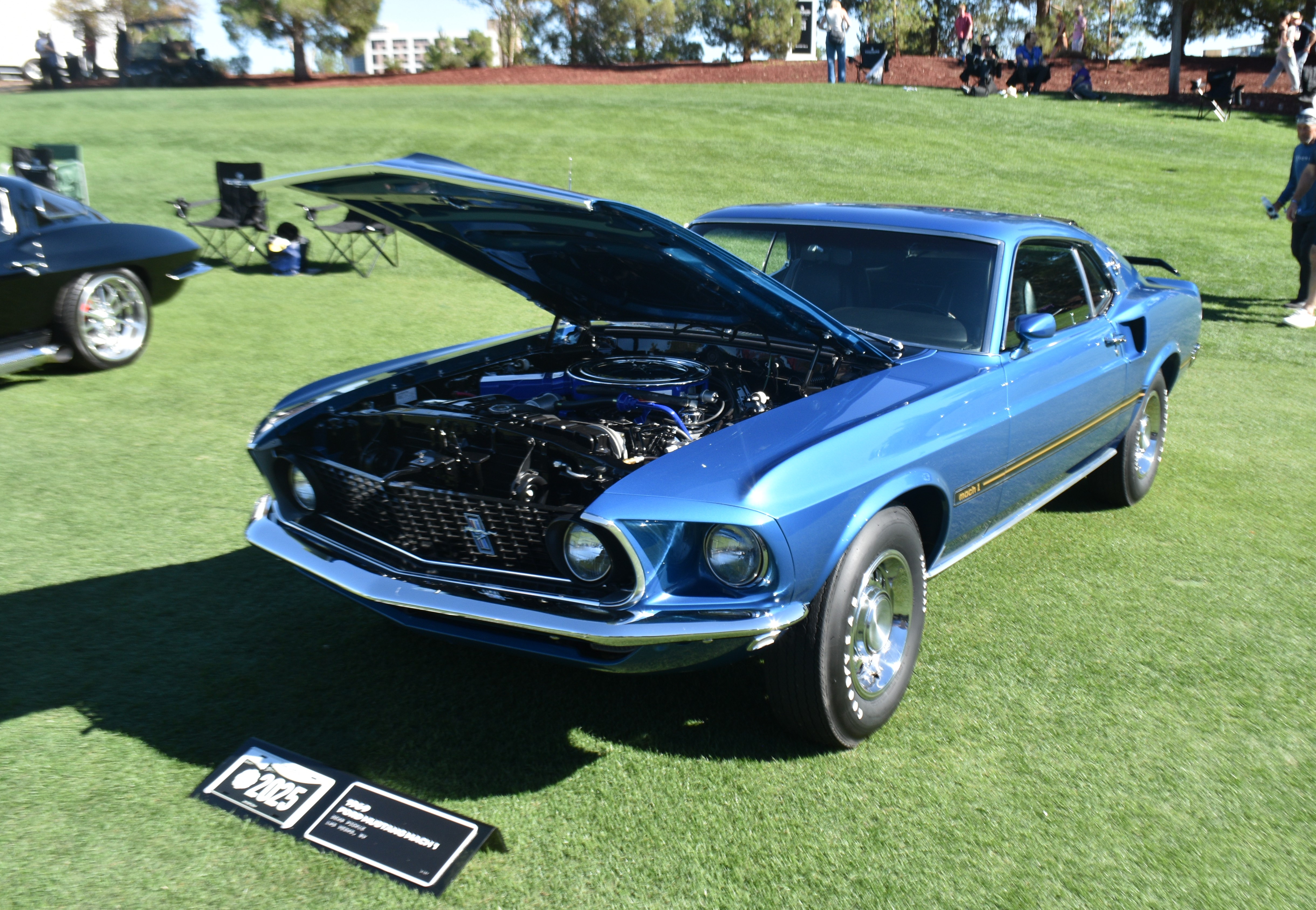
Through the 1960s and into the 1970s the muscle car had a larger market share than the sports car in the U.S. You have the speed and power of a sports car but with a bit more practicality.
It was nice to see an Oldsmobile 442. These and Chevrolet’s Chevelle were the coolest of the muscle cars in my opinion.

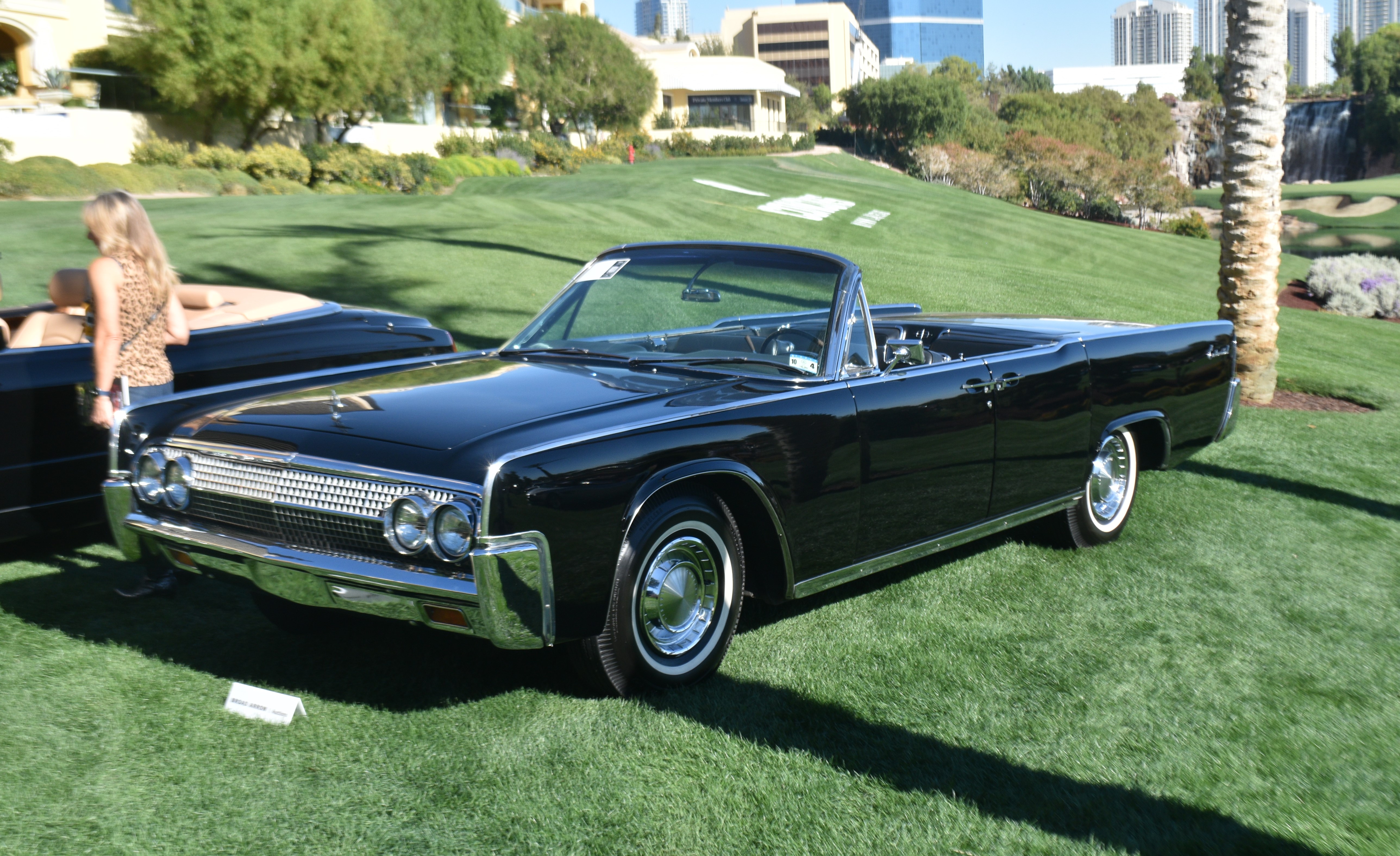
There was a fourth generation Lincoln Continental. Note the suicide doors at the back!
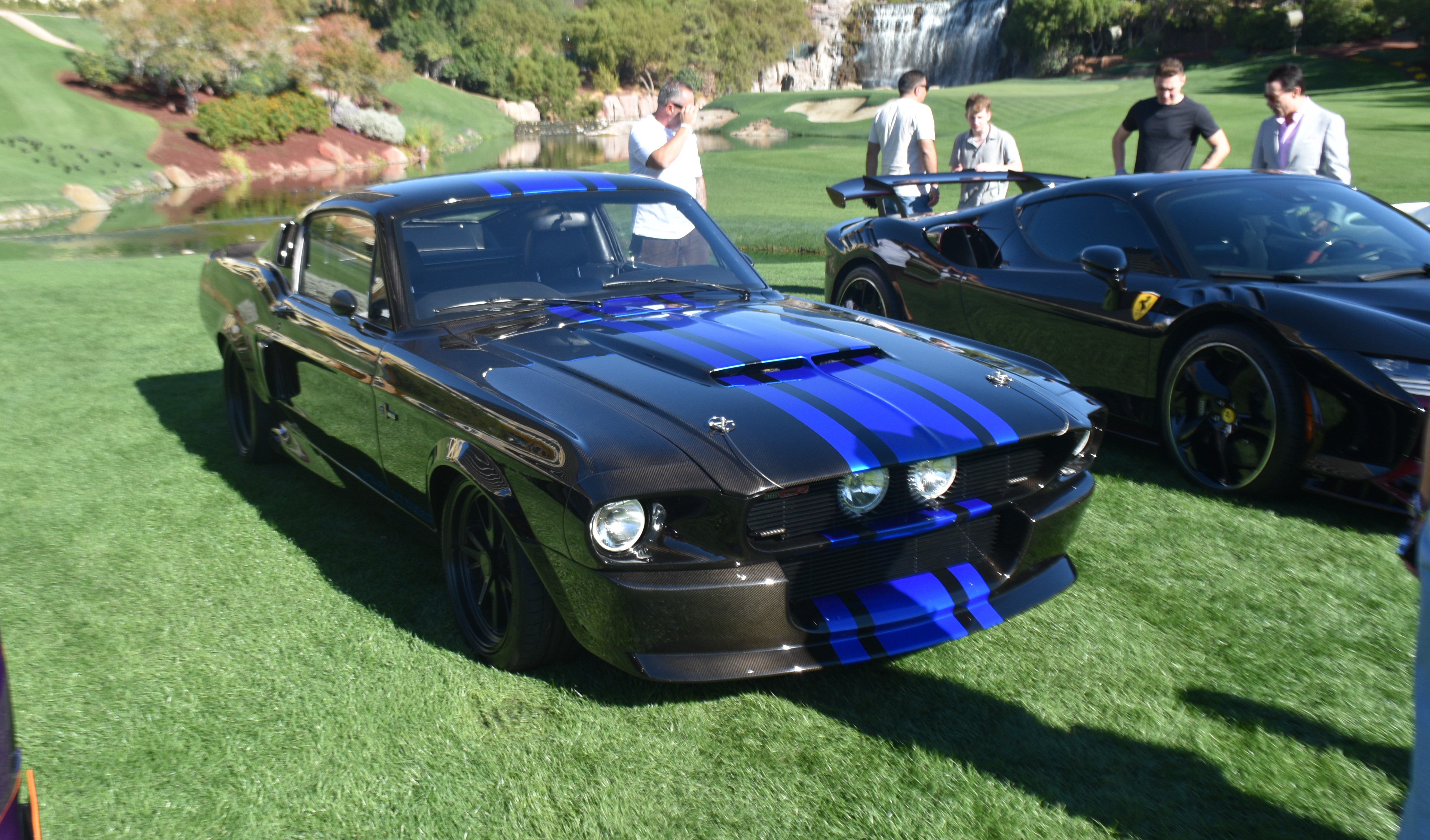
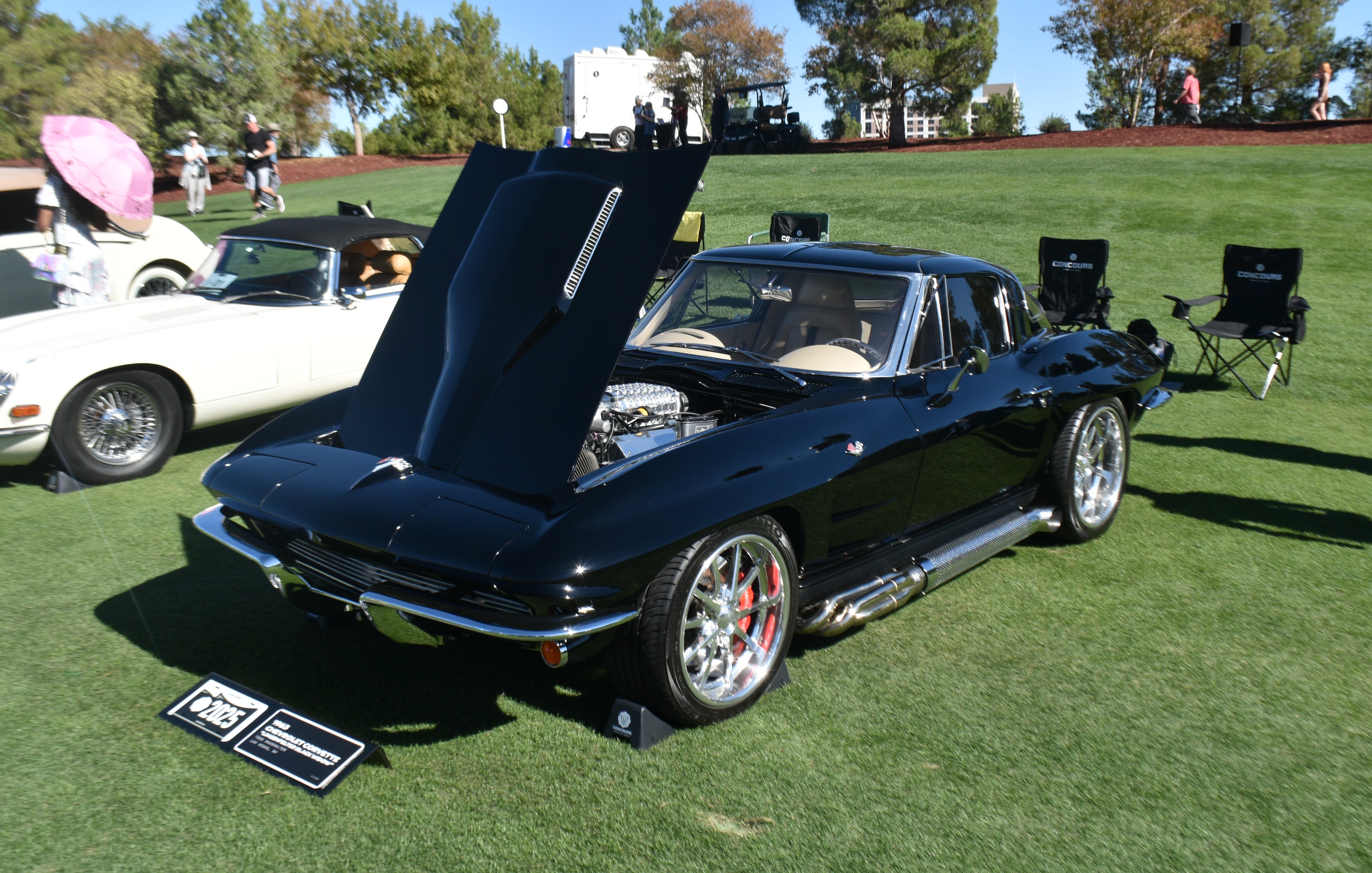
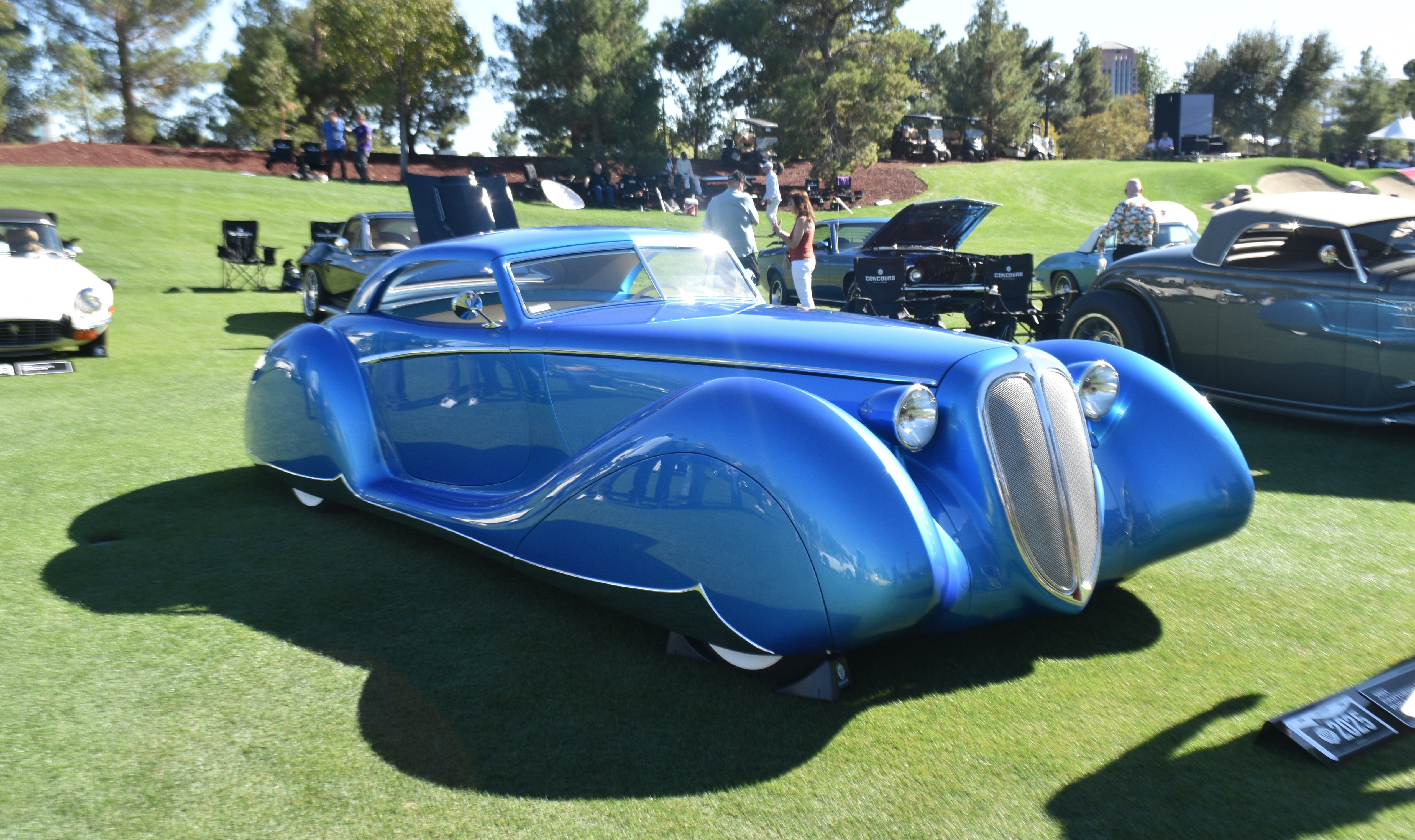
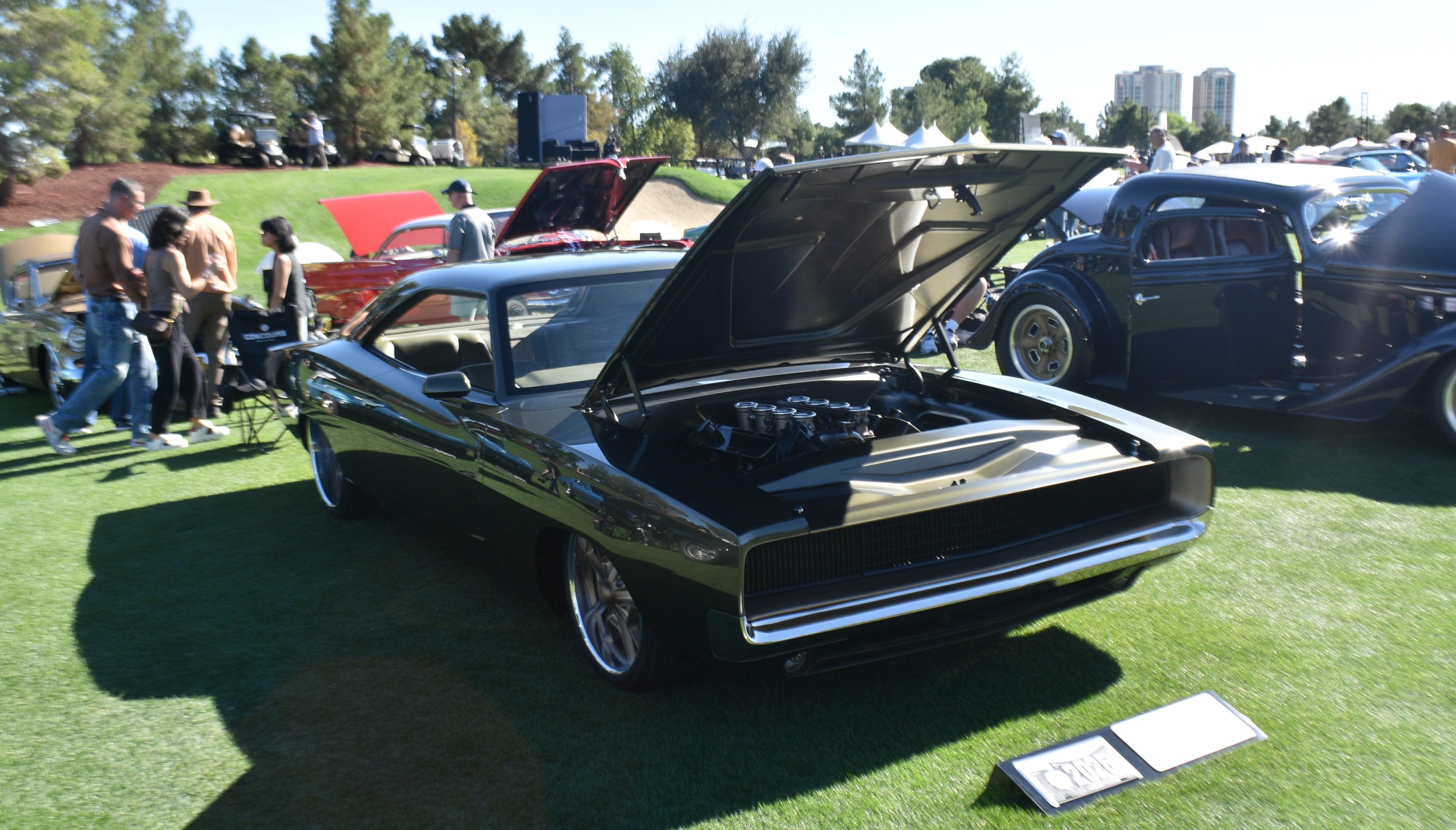
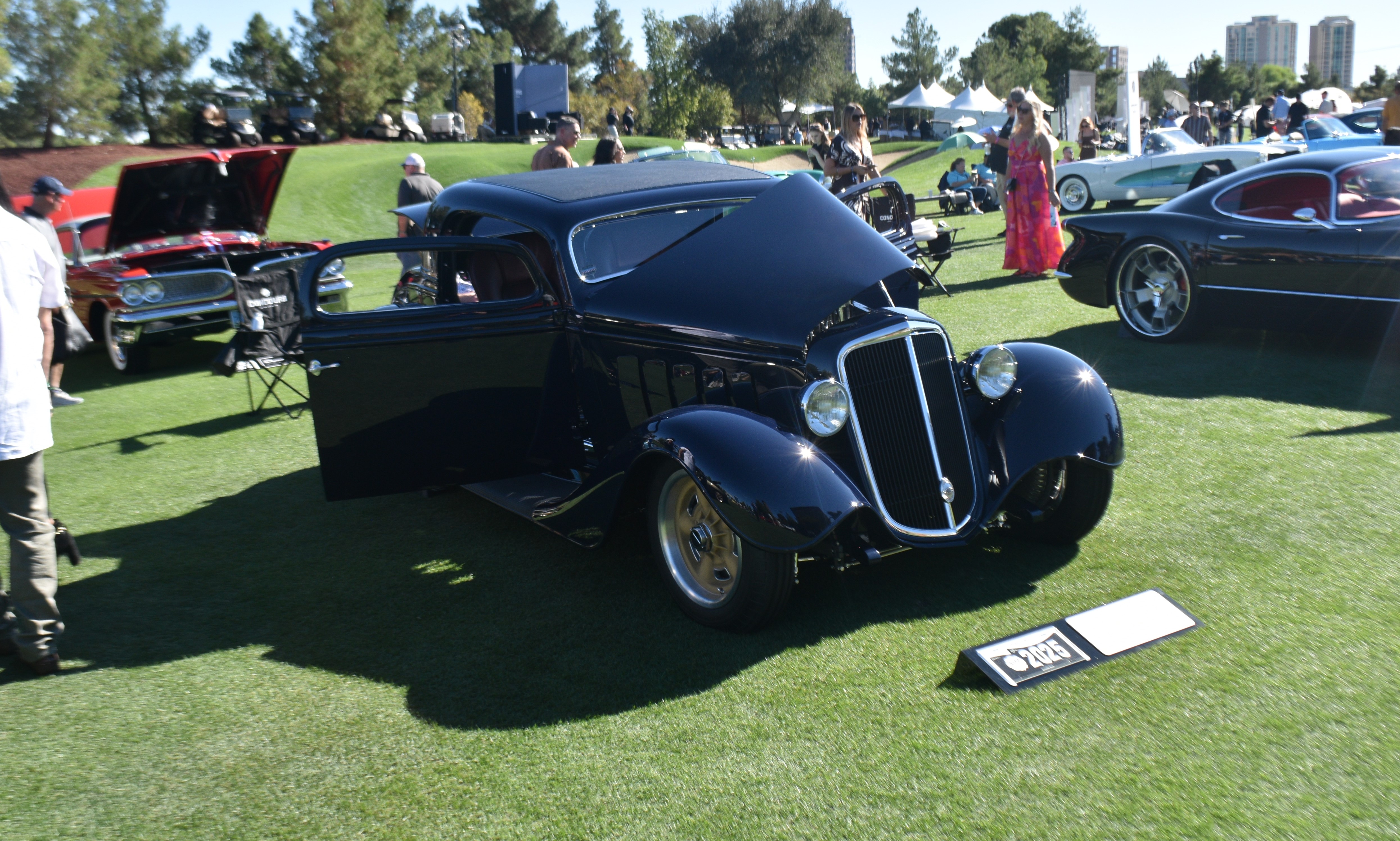
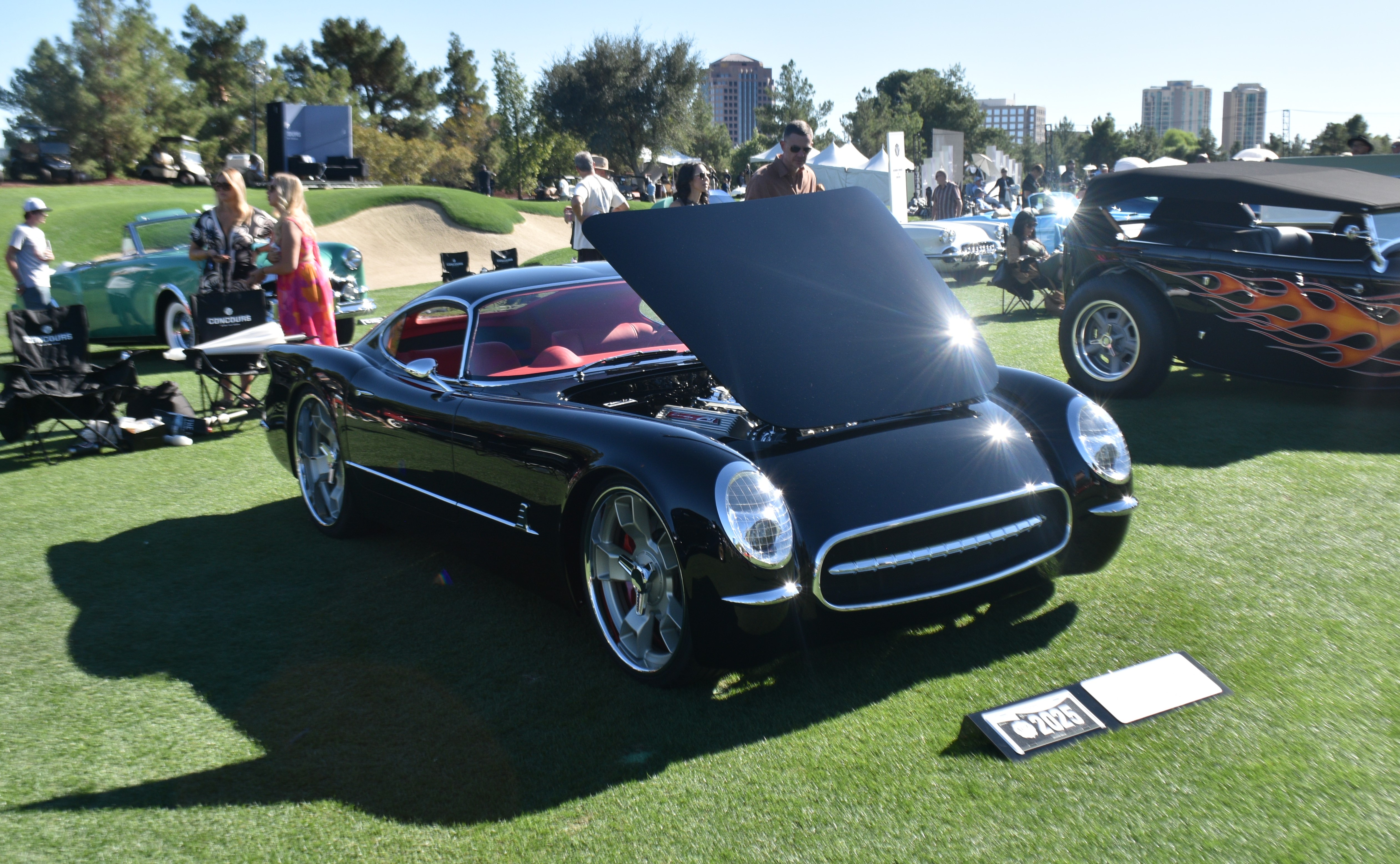
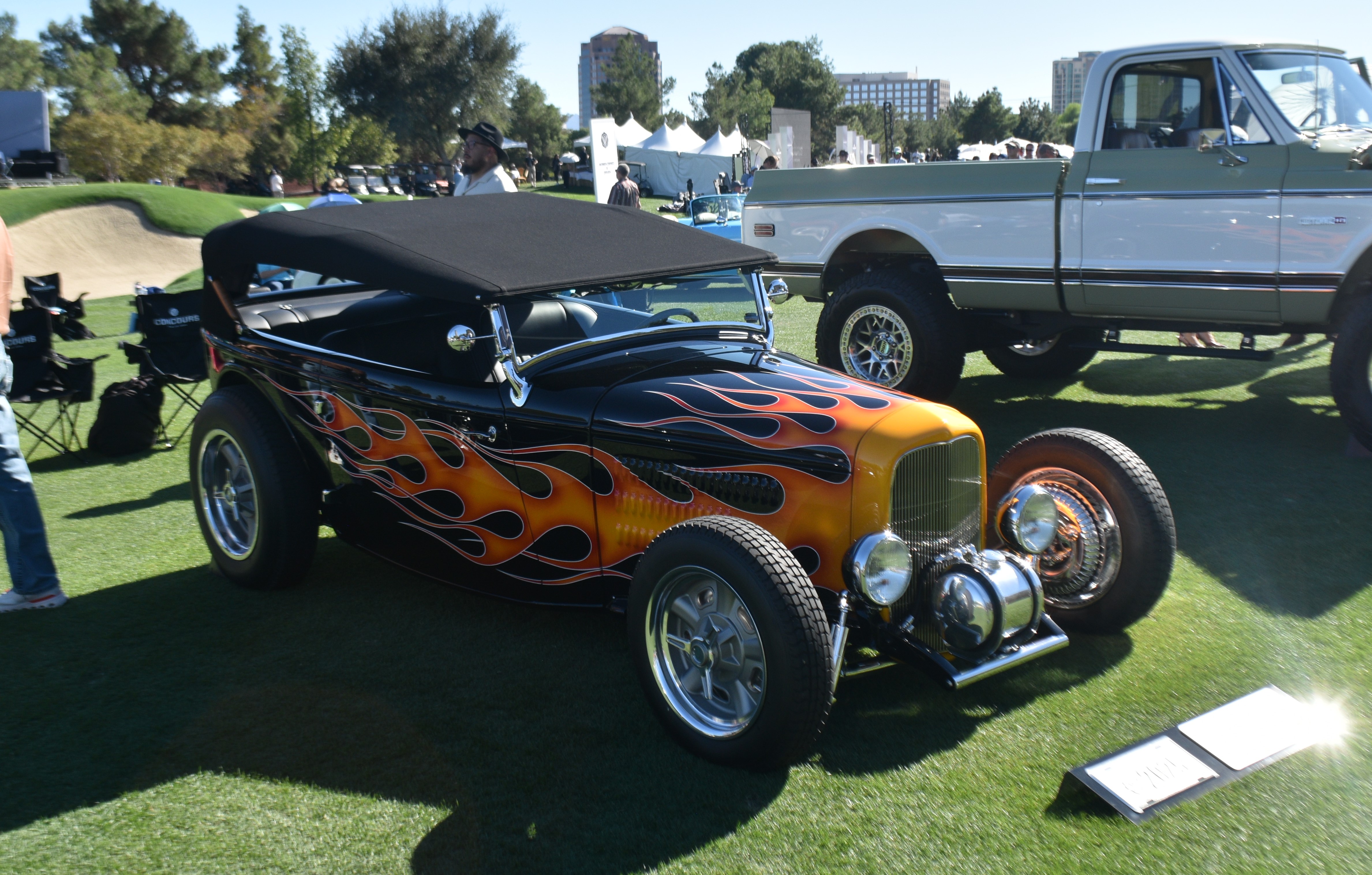
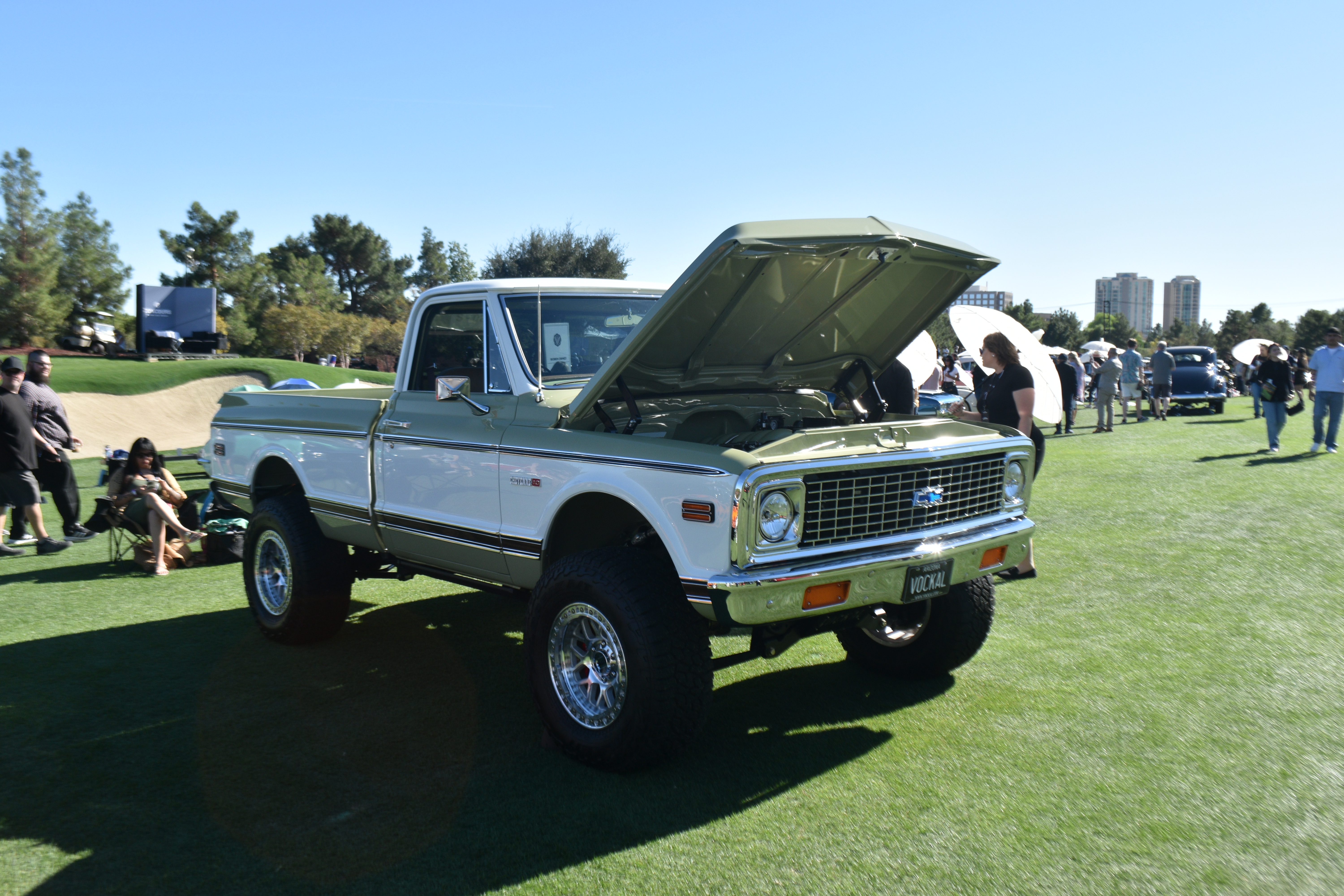
Finally, there were a few hotrods, custom cars and restromods on display. It’s great to see these at a concours, especially in the U.S as customisation is such an enormous part of the car culture there.

Thanks for reading!
If you would like to see more please subscribe to the blog via email (from the box at the bottom of the page).
Follow me on the following social media platforms:
Facebook: www.facebook.com/motorsportformentalhealth/
Linkedin: www.linkedin.com/in/richard-francis-b45025137/
TikTok: @richardfrancismsfmh
Instagram: @motorsport4mentalhealth
Youtube: www.youtube.com/channel/UCQ-j8broFg4i2rWIBy6W82Q
By Richard Francis.
